A global clinical study launched role-based training and reference content within ALEX, MTA’s learning management platform, to support clinical site staff across North America (NA), Europe, the Middle East, and Africa (EMEA) on multiple protocols. The deployment supported both in-person and remote learners to ensure high-quality consistency of training, delivered role-specific modules and catalogs, and provided detailed reporting for 1,104 learners.
Objectives
The objectives were to deliver role-based training and provide reference materials to clinical site teams across multiple regions and countries on multiple protocols, with some sites only participating in one, while others participating in all. Additionally, the objective was to offer flexible completion options that accommodated both in-person and remote learners and ensure regulatory acknowledgements were captured where required. The study team needed to monitor uptake and measure the effectiveness of reference materials and training content.
Solution
MTA offered a comprehensive solution – ALEX (A Learning Experience), MTA’s purpose-built learning management platform designed for life sciences professionals to navigate the demands of clinical research training. ALEX is focused on compliance and measurable outcomes that give study managers visibility into learner progress, completion rates, and performance. ALEX keeps content organized and audit-ready. Built for life sciences professionals, ALEX simplifies complex workflows so teams can stay compliant, confident, and productive across every study, protocol, and role – making it a robust solution for customers’ complex global clinical study needs.
MTA’s ALEX learning management platform was launched in June 2025 for this customer’s complex global program and served 1,104 total learners. The platform included EMEA and North America content, with role‑based modules and catalogs assigned according to each user’s study protocol/s participation, role, and country. Reference materials and external links were available with access controls configured at the site, country, and role levels. The most recent protocol version had been posted to both the NA and EMEA sites.
For in-person learners, MTA recorded attendance using the platform’s in-person feature, so site staff who attended live sessions at the regional Investigator Meeting were seamlessly tracked. Those learners saw the catalog marked as completed, but still had access to the content for their reference at any time. For learners who participated remotely or were not able to attend in person, MTA assigned training through the system and required a mandatory “read and acknowledge” flow for modules and catalogs to be marked complete and certificates to be issued. These modules will also be available for new clinical site staff throughout the life of the study, relieving site burden and resulting in stronger training compliance.
On the reporting side, reporting was enabled so the study team could pull usage reports by site to view which materials were most used and helpful. The most recent protocol was posted to NA and EMEA — EMEA reached 55% completion within three months of posting, and NA reached 65% completion in the same period.
Outcomes
Successful global roll-out on schedule with 1,104 learners onboarded.
Flexible completion workflows accommodated both in-person and remote learners on multiple protocols.
Early protocol adoption metrics indicate majority engagement in NA (65%) and substantial uptake in EMEA (55%) within three months.
Reporting on usage gave the study team actionable insight into content support and site performance.
Feedback Summary from the Project Manager
Most importantly, MTA’s customer provided feedback regarding the ALEX experience:
The Project Manager (PM) noted that the planning and implementation of ALEX were smooth and well-coordinated, with prompt setup and responsive support following approval. The PM found the platform intuitive and user-friendly, with documents clearly organized within catalogs for straightforward navigation; the reporting tools were easy to use and offered valuable insights, including tracking which documented users’ downloads and the option to restrict access to Reference Files and External Links by country.
Additionally, the PM documented that ALEX added clear operational value to the study by centralizing oversight of site staff training compliance and simplifying document distribution to many users. Key benefits cited included:
Centralized monitoring of training completion and compliance
Convenient sharing and local storage/printing of reference materials
Hosting system links in a single location to reduce URL searching
Generating certificates that list completed training items to ensure audit-readiness
Conclusion
The ALEX deployment was successful at delivering training for multiple protocols to 1,104 learners across NA and EMEA, supporting both in‑person and remote completion, and strong early adoption with 65% completion in North America and 55% in EMEA. The platform was praised by the project manager for its intuitive design, responsive implementation support, centralized compliance oversight, and practical features.
For more information regarding ALEX (A Learning Experience), click here.
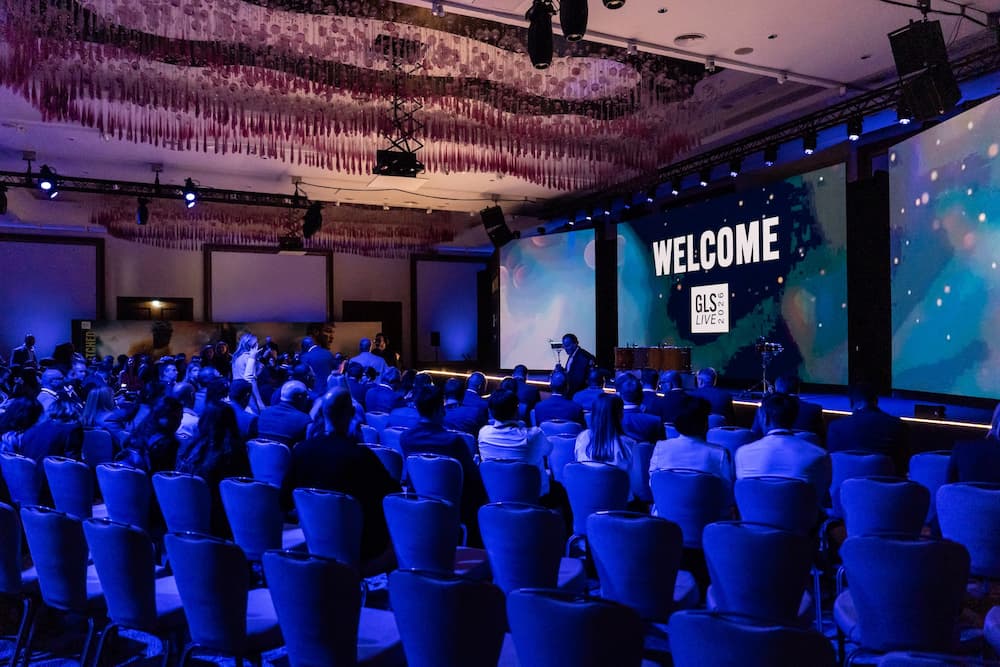
A face-to-face global event required an urgent pivot to a virtual format.
Challenge
MTA originally planned a global face-to-face event in Washington, D.C., but had to pivot quickly to a virtual format. With only three months to prepare, the team faced significant challenges in reimagining the entire experience while maintaining engagement and quality.
Results
Planning and Execution
Timeline: 3 months of intensive planning and coordination.
Event Format: Fully virtual, spanning 3 days.
Time Zones: Accommodated attendees across 13 different time zones, ensuring accessibility for a global audience.
Sessions: Managed 40 sessions covering diverse topics, accommodating various time zones.
Preparation
The MTA Production Team conducted thorough rehearsals for all presentations, organizing a total of 19 separate rehearsal sessions to ensure every detail was carefully reviewed and perfected.
The MTA Production Team ensured smooth transitions between speakers by meticulously planning the show flow and timing during the live sessions. This preparation helped maintain audience engagement throughout the event. Additionally, the team proactively addressed and minimized technical issues by having contingency plans ready to handle unexpected challenges during the presentations.
Attendee Experience
To create an engaging and personalized experience despite the remote setting:
Pre-event Engagement
Pre-event videos were professionally recorded and shared through the virtual platform in advance of the event. These videos served as an engaging introduction, providing essential information, setting expectations, and helping participants prepare effectively for the upcoming sessions.
MTA coordinated the delivery of 87 personalized snack boxes, thoughtfully curated and sent directly to attendees’ homes or offices across 10 countries. Attendees were able to customize their selections, ensuring each box reflected their preferences. The result was a collection of high-quality snacks designed to enrich the event experience while accommodating a wide range of tastes and dietary needs.
Through careful orchestration and meticulous planning, MTA ensured all snack boxes arrived prior to the event, generating excitement and allowing attendees to enjoy the curated selections together, which fostered a shared experience during the virtual sessions.
Real-TimeEvent Engagement
The virtual event featured 21 engaging elective sessions, each led by the company’s internal Subject Matter Experts. These sessions covered a wide range of topics designed to appeal to diverse interests and professional development needs. Highlights included “Mastering the Art of Adaptability,” which focused on building resilience and flexibility in the workplace; “Chart Your Course in Tableau,” offering hands-on guidance for data visualization skills; and “Event Sustainability in Action,” which explored practical ways to implement eco-friendly practices within corporate events.
Each day, participants attended general sessions for keynotes and updates. Sessions included an award spotlight to highlight the achievements of select employees. In addition, there were 16 departmental breakout sessions tailored specifically to different teams within the organization.
These sessions incorporated multimedia presentations such as videos and slideshows, live music to energize attendees, interactive chat features allowing real-time questions and discussions, and other dynamic elements designed to foster collaboration and deeper engagement among team members.
To make the virtual experience more immersive and enjoyable for all participants, several interactive features were integrated throughout the event.
Live polling enabled attendees to share their opinions instantly and see collective results in real-time.
The chat function encouraged ongoing conversations between speakers and audience members as well as peer-to-peer interaction.
Breakout sessions allowed smaller groups to collaborate closely, promoting active participation.
An “Immersive View” feature was utilized to simulate an “on-stage” feel of a live event throughout the awards sessions.
Together, these tools helped create a lively atmosphere that kept energy levels high while strengthening connections across the company despite being remote.
Post-Event Engagement
As a post-event face-to-face CSR challenge, team members formed regional groups to select various CSR activities. These opportunities strengthened team connections as teams invested volunteer time in their local communities, providing in-person opportunity to connect and engage with one another.
Outcome
The event was highly successful, demonstrating MTA’s ability to adapt quickly under pressure. The combination of thoughtful planning, personalized touches, and rigorous preparation contributed to high attendee satisfaction and seamless execution across multiple time zones.
This success story highlights how strategic planning and attention to detail can turn potential setbacks into opportunities for innovation in event management.
Feedback from Surveys
“I want to thank you for investing time, energy, and resources in creating this space for us to continue strengthening bonds and connecting with each other—ultimately helping us grow both as individuals and as a company.”
“Thank you for putting on the Virtual Workshop!! There were so many laughs, deep conversations, insightful suggestions, and much more!”
“The workshop was put together with a lot of behind-the-scenes work, thought, and creativity, and it showed by being seamless and innovative.”
“I appreciated the use of interactive elements such as polls and breakout rooms, which encouraged us to collaborate and share ideas…Overall, a lot of valuable information, engaging sessions, and electives! Thank you to everyone who made this happen!”
“Just a huge thank you… You’ve made it possible for the connection and impact to be truly incredible once again this year.”
“Thank you all for creating such a thoughtful and inspiring experience!”
The Miller Tanner Associates Team designed a tailored incentive experience in Ireland, showcasing its culture, landscapes, and hospitality. The itinerary blended bespoke welcome moments, curated activities on the estate and by sea, and refined dining and entertainment to create memorable, immersive experiences for every guest.
Arrival and Welcome
Guests arrived at Adare Manor, Adare, County Limerick, and received a thoughtfully curated themed welcome package.
Each welcome gift included a picnic basket stocked with a cashmere blanket, artisanal snacks, and in‑room specialty beverages selected to reflect local flavors and provide immediate comfort.
The welcome package set a warm, personal tone and foreshadowed the program’s focus on authenticity and relaxation.
Signature Experiences
The program included a signature falconry demonstration at Adare Manor’s aviary. Guests met and handled the resident raptors under the guidance of expert falconers, creating a dramatic and memorable experience tied to regional heritage.
Following falconry, attendees moved to the Manor’s carriage house for a woodland‑themed welcome reception and dinner. The reception featured rustic, nature‑inspired décor and seasonal hors d’oeuvres that complemented the theme.
On‑Estate Activities
A full day of on‑estate options was offered to accommodate varied interests and activity levels:
Golf on Adare Manor’s championship course.
Fishing on the River Maigue with local guides.
Leisurely time on the Manor’s grounds.
Clay pigeon shooting and archery with professional instruction.
Guided cycling tours and self‑guided exploration of walking trails and formal gardens.
The program structure allowed guests to mix and match activities across the day, ensuring both active and restorative experiences.
The day concluded with a dinner at a highly regarded local restaurant, giving guests a chance to experience regional culinary specialties in a community setting.
Coastal Excursion — Cliffs of Moher
The team arranged a scenic ferry excursion to view the Cliffs of Moher from the water. The voyage highlighted Ireland’s dramatic coastline and provided unique photo opportunities.
Attendees aboard were serenaded by a local Irish band, enhancing the atmosphere and connecting guests to Ireland’s musical traditions.
Commentary from local guides framed the geology, history, and folklore of the cliffs to deepen guests’ appreciation of the landscape.
Gala Dining and Evening Entertainment
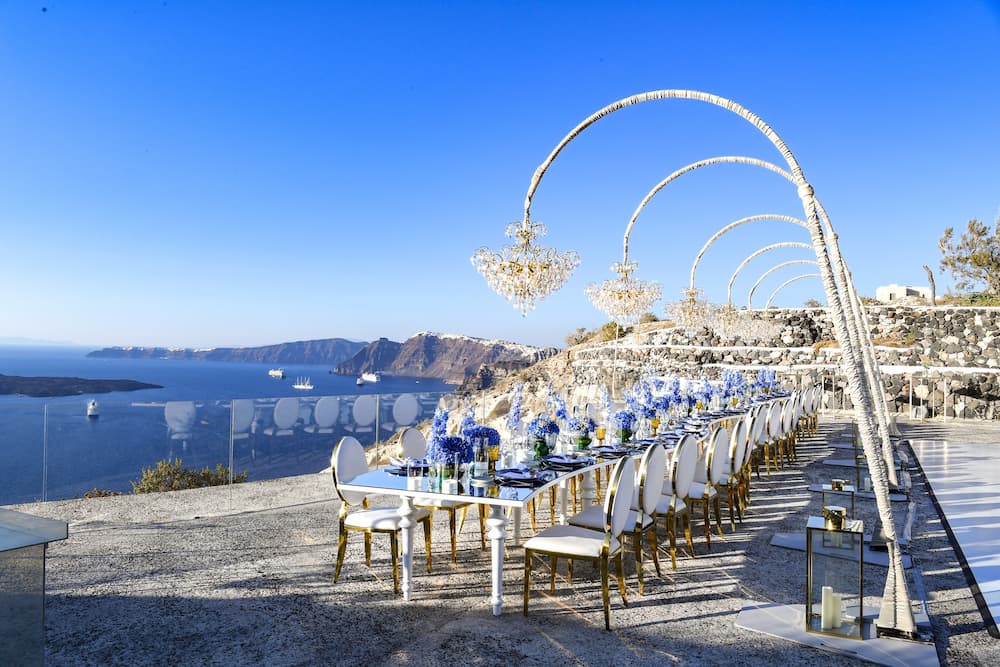
Adare Manor’s Gallery was transformed into an elegant dining venue for a candlelit celebratory dinner. Tables featured locally sourced seasonal menus that highlighted traditional Irish ingredients prepared with contemporary flair.
Live violinists and carefully curated ambient music elevated the dining experience and provided a refined, intimate setting.
The evening culminated in a whiskey tasting led by a knowledgeable host, offering a guided sampling of premium Irish whiskeys paired with tasting notes and stories on distillation and provenance.
Overall Program Design and Impact
The itinerary balanced curated signature moments, flexible on‑estate programming, and a standout coastal excursion to offer variety and depth.
Attention to local sourcing, expert guides, and cultural authenticity ensured the experience felt both luxurious and rooted in place.
Guest feedback emphasized the personal touches — the welcome package, unique hands‑on activations, live music, and intimate tasting experiences — as the most memorable elements.
The program successfully provided a sense of escape and connection while reinforcing Miller Tanner Associates’ ability to design immersive, memorable incentives. To learn more about the full event, click to view video.
To learn more about Recognition Events designed by MTA, visit millertanner.com.
Miller Tanner Associates’ Commercial Team will be attending Outsourcing in Clinical Trials events across the United States and Europe this year. Visit our booth to:
Learn how technology can make meetings more efficient and productive
Discover proven techniques to boost audience engagement
Explore strategies for improving the success of life sciences industry events
We’re proud to partner with Life Science Cares; on behalf of every visitor to our booth, we’ll make a donation to support their mission. We look forward to connecting with you—stop by and say hello!
Outsourcing in Clinical Trials West Coast
February 11-12, 2026 in Burlingame, California
Visit us at booth #22
Outsourcing in Clinical Trials Europe
May 6-7, 2026 in Barcelona, Spain
Visit us at booth #77
Outsourcing in Clinical Trials East Coast
May 12-13, 2026 in New Brunswick, New Jersey
Visit us at booth #40
Outsourcing in Clinical Trials UK/Ireland
June 9-10, 2026 in London, UK
Visit us at booth #53
Outsourcing in Clinical Trials Southern California
Young professionals (YP) are reshaping expectations for conferences, workshops, and industry gatherings. They want purposeful content, authentic connections, and event experiences that respect their well-being and values. If your events still follow a single-track, talk-heavy model, you risk disengaging the next generation of industry leaders.
MTA’s Vice President, Global Experiences, Conor Barry provides practical, evidence-informed strategies to attract, engage, and retain YP attendees.
Conor Barry, Vice President, MTA Global Experiences
Q: What non-traditional elements has MTA added to better engage young professional event audiences?
Conor: For today’s young professional event attendees, wellness isn’t just a “nice to have”—it’s an essential part of the experience. At MTA, we recognize that true engagement comes from balance, not constant stimulation. That’s why we intentionally design events that prioritize moments for attendees to pause, reset, and nurture their well-being.
Gone are the days of jam-packed agendas with no time for respite. Younger audiences value the opportunity to step away, recharge, and return feeling refreshed. To support this, we’ve created chillout zones—comfortable, calming spaces that foster rest, informal networking, or quiet reflection. These zones allow attendees to find balance during the event, ensuring they remain engaged without feeling overwhelmed.
We also recognize the importance of providing essential amenities like high-speed Wi-Fi and charging stations. Beyond that, our event agendas are thoughtfully designed to include downtime. Whether it’s enjoying a light snack, meditating in a wellness area, or catching up on messages, these touchpoints help create a more human-centered experience.
Taking wellness even further, we introduced a no-phone quiet zone at a recent event—a dedicated space designed for full sensory recharge. With ambient sounds, soft lighting, and no digital distractions, attendees could disconnect from their devices and reconnect with themselves. The overwhelmingly positive feedback showed just how vital these moments of mental and physical well-being are between content-heavy sessions.
Wellness considerations begin long before attendees arrive at the venue. When selecting locations, we prioritize spaces with outdoor access, walking routes, and opportunities to integrate movement and mindfulness into the experience. Whether in a scenic countryside or a bustling city, our goal is to create an environment that nurtures well-being.
A prime example of this philosophy in action took place at our 2024 Global Workshop in Dublin. Rather than centralizing all activities in one venue, we intentionally selected three hotels located within a short walking distance of each other. The event agenda was thoughtfully designed to move attendees between properties throughout the day—creating organic moments for fresh air, daylight, and physical movement between sessions. These transitions helped maintain energy, encouraged spontaneous conversation, and provided much-needed mental reset points that kept the experience feeling fresh and engaging.
Wellness isn’t just a trend at MTA—it’s a cornerstone of how we design for today’s audiences. When attendees feel supported in mind, body, and spirit, they show up more present, engaged, and ready to connect.
Q: How do you align food, beverage, and swag with younger attendees’ expectations?
Conor: Younger audiences have really reshaped what’s expected when it comes to food and drink at events. Personalization and representation matter—and that comes through loud and clear in their preferences. Gone are the days when a few mini burgers and a token vegetarian option were enough. Now, people want thoughtful menus that reflect wellness, sustainability, and a real connection to place.
At MTA, we’ve adapted our approach to reflect that shift. Healthy, nourishing food that caters to a wide range of dietary needs isn’t just appreciated—it’s expected. We also prioritize working with local, ethical suppliers who have a story to tell. That kind of transparency really resonates with younger attendees. In fact, this audience is often the first to seek out and follow their favorite food vendors on social platforms, wanting to stay connected with brands they discovered onsite. It’s a unique way to extend the event experience beyond the venue and into their everyday life.
This focus on storytelling also aligns with our values as a women-owned business—wherever possible, we actively source from underrepresented and diverse supplier groups.
Drinks are following the same pattern. Coffee’s great, but it’s not the only draw anymore. We’ve seen strong momentum toward alcohol-free options—juice bars, kombucha, mocktails—all of which help create a more inclusive and energizing vibe at networking events.
We often work closely with our clients to strike the right balance—meeting the expectations of this evolving audience while staying mindful of budget. Food and beverage choices have become a real opportunity to reflect care and intention, and when done right, they become a powerful connector that leaves a lasting impression.
When it comes to SWAG, to put it simply, a notepad and pen or a water bottle won’t cut it anymore for this audience.
SWAG now has to align with the same values we see in food and beverage choices—it’s about intentionality and meaning. This audience expects brands to demonstrate purpose through their swag choices, and it’s not just about cool items. They care about sustainability, ethics, and the message behind the gift.
One of the initiatives we’ve introduced at MTA is replacing traditional swag with donations to ethical causes that align with the values of the event. For example, at one event, instead of handing out SWAG, our team assembled care packages for a children’s hospital, which attendees were able to personalize and contribute to something mission-driven. The response was overwhelming, and we’ve yet to see an audience resist the shift—participants felt truly connected to something bigger than themselves.
It’s clear that for younger audiences, the power of swag lies not in the item itself but in how it contributes to a larger cause. And when an experience aligns with their values, the lasting impact is far more meaningful than any branded tote bag ever could be.
Q: How do you ensure that you are connecting with young professionals at events?
Conor: At MTA, we’ve always believed that the success of an event lies in its ability to truly connect with its audience, and that starts with ensuring the content and speakers reflect their needs and interests. When we partner with our customers, we’re relentless in pushing for authenticity. It’s vital that the event doesn’t just check boxes but really speaks to the audience, particularly the younger demographic, whose expectations are higher than ever.
We work closely with our customers to ensure the content isn’t just relevant, but that it feels personal and engaging. We know that when the content misses the mark, there’s a real risk of losing the audience’s attention—and trust. Young attendees aren’t shy about tuning out if they don’t feel like they’re being seen or heard. It’s about getting it right, so they leave feeling like the event was made for them.
One thing we’ve done to bring this idea to life is to involve attendees in the content creation process. We’ve run pre-event surveys, organized focus groups, and even collaborated with some of the younger attendees to get their input on what they want to see. This co-creation process helps us ensure that we’re not just guessing what will resonate. It gives our younger attendees a real stake in the event, making it feel more like something they’ve had a hand in shaping, rather than something that’s just for them.
At MTA, it’s all about making sure our events are as connected and authentic as possible, and by involving attendees in the creation process, we make sure they’re not only engaged but also invested in the experience.
Q: How do you gather feedback specifically from younger attendees post-event?
Conor: I am strong believer that “All Feedback is a Gift.” At MTA, we understand that feedback from our younger event attendees is crucial for improving our events. This audience is not only passionate about their experiences but also at the cutting edge of trends, technology, and innovation. They are the first to embrace new ideas, and their insights help us stay ahead of the curve. We know they want to have a voice in shaping events, and because they value convenience and simplicity, we prioritize feedback channels that are quick, easy to access, and allow them to share their thoughts effortlessly.
Quick Digital Surveys: We send out short, mobile-friendly surveys after the event—something easy for attendees to fill out on the go. We keep them snappy and to the point, using the event app so they can share their thoughts quickly, right after the event.
Live Polls and Instant Feedback: During the event, we ask for feedback in real-time using live polls or instant reactions, which gives us immediate insights. This lets us tweak things as we go and shows attendees that their opinions matter in the moment.
Social Media Listening: Younger attendees love to share their thoughts on social media, and we actively encourage this. Using event-specific hashtags, we get a sense of how they’re feeling and what they’re talking about during and after the event. It’s a natural way to collect feedback that feels less formal.
Post-Event Conversations: After the event, we work with our customers to seek out feedback from a select group of event attendees. These are casual conversations where we can dig deeper into their experiences and gather more detailed feedback.
Personalized Follow-ups: We don’t just rely on surveys—we follow up with attendees directly, creating additional space for them to share what was enjoyed or areas where we can improve.
Q: Do you track engagement metrics across different age groups?
Conor: We don’t typically track post-event engagement metrics by age group. That said, we’re always thinking about who the audience is well before the event kicks off.
During the briefing phase, our customers usually provide detailed demographic insights, which can include age ranges. That information plays a big role in how we design the event—everything from content and format to environment and tone.
So, while we’re not pulling reports on age groups, we are designing with those audience types in mind from the very beginning to make sure the experience feels relevant and well-considered for everyone in the room.
Conclusion
Attracting younger audiences to your events requires intentional design across format, space, content, and values. MTA engages strategies to deliver human-centered experiences that younger professionals value and will champion.
Ready to make your next life science event more engaging for younger professionals? Contact our events team to design an intentionally engaging experience across format, content, and values.
A global leadership program brought together 270 market leaders for three high-impact days in Alicante, Spain. The program transformed a hotel and an adjacent ancient-culture-themed park into immersive environments for meetings, workshops, and celebrations.
The agenda included two simultaneous general sessions, 11 breakout discussions, a poolside poster presentation series, community give-back activities, five workshops, 49 unique sessions, and a gala dinner supported by a hybrid platform so on-site and virtual participants could engage seamlessly.
A Partnership Powerhouse
Given the complexity and caliber of this dynamic global leadership program, EliQue Events, a trusted events partner, approached MTA to collaborate in partnership as an integrated event powerhouse. Working as a unified team, MTA and EliQue Events elevated the event’s execution, expanded resources, and delivered seamless coordination to produce a global leadership conference that far exceeded expectations.
The Challenges
Scale and complexity: Delivering a global, multi-track leadership program across two venues required robust coordination of content, staging, catering, transport, and attendee services for a diverse, international audience.
Real-time changes: Last-minute requests, VIP pop-ups, badge-type variations, and agenda updates created continuous on-the-ground and digital changes that needed immediate execution.
Hybrid delivery: Supporting a fully integrated on-site and virtual experience required rapid upload of session content, live audience interaction tools, and seamless AV/production for speakers unfamiliar with prompters or hybrid stage flow.
Venue logistics and environmental unpredictability: Multiple complex room reconfigurations, outdoor sessions, large-scale decorative elements, substantial baggage handling, and a sudden rainstorm required quick operational pivots.
General Sessions
Technology adoption under time pressure: Building and maintaining a customized event app and digital platform, uploading hundreds of assets onsite, and managing live data collection and summaries for just-in-time speaker feedback all had to be executed with minimal runway.
Resource coordination across partners: Aligning strategy, logistics, tech, and experience design between the internal team and our event partner required clear ownership, steady decision-making, and trust.
The Successes
Unified partnership model: MTA, in partnership with EliQue Events, operated as an integrated unit, sharing responsibilities across strategy, logistics, technology, and experience design, which enabled fast, confident decision-making when plans shifted.
Agile, distributed execution: Cross-functional collaboration allowed the team to pivot roles and absorb last-minute scope changes (e.g., shifting production roles, deploying pop-up VIP experiences, and rerouting transportation), ensuring continuity without service degradation.
Seamless hybrid experience: Close coordination between production, digital, and content teams resulted in a robust attendee app, timely uploads of session materials, and real-time audience interaction tools, delivering consistent experiences to both in-person and virtual participants.
Welcome Dinner
Operational resilience: We executed six rapid room-set flips (including rounds to theater in 20 minutes), managed 2,970 meals, stored and tracked large volumes of luggage, and handled 21 ground-transportation changes while maintaining program flow. Even with a threat of a power outage, MTA had a backup plan for the gala dinner ready to deploy if needed.
Excellence in guest experience: The combined team successfully managed multiple VIP touchpoints, specialized gifting, hostess support, and live troubleshooting for speakers and sessions, producing a polished attendee journey from arrival through the gala.
Gala ArrivalThemed Gala
Real-time content and data workflows: On-site teams uploaded 35 posters and 64 speakers’ assets one by one, tagged agenda items with precise targeting, and used live survey data to deliver immediate feedback to presenters, boosting engagement and relevance. This was demonstrated during the competitive poster series, where attendee feedback was used in real time to shape the next general session, with the on-site team ensuring seamless turnaround.
Outdoor Breakout Sessions
Strengthened partnership for future events: The collaborative execution, mutual trust, and shared ownership demonstrated on this program solidified the relationship between MTA and EliQue Events, creating a scalable playbook for future large-scale, hybrid leadership events.
Summary
This program delivered a high-touch, complex global leadership experience through focused partnership and collective adaptability. By operating as one coordinated team across strategy, logistics, production, and digital, this partnership converted continuous operational challenges into a smooth, engaging event that reinforced trust and set a strong precedent for future collaboration.
To the leaders in life sciences: our industry is at an inflection point. The way we engage HCPs today will define how we adapt tomorrow. The challenge is not whether change is needed, but how wide the gap has already grown. While 82% of executives believe their engagement strategy is effective, only 28% of HCPs feel their needs are truly being met.
This is my call to action: do not just acknowledge the value of technology. Invest in it at the scale required to drive change.
My background in highly regulated industries taught me the importance of precision and trust. Throughout my tenure at Miller Tanner Associates, I have partnered with global pharma and biotech leaders on engagements that span continents and therapeutic areas. This work has exposed me to challenges and opportunities that cross borders and disciplines, and it continues to shape how I think about meaningful engagement.
From Singapore to Chicago, the stories are the same: investigators balancing impossible timelines, oncologists pressed for time but eager for connection. These moments remind me that data is not about dashboards. It is about people.
The numbers reinforce this:
HCPs report that 35% of their prescribing decisions* are influenced by the quality of engagement they receive.
A top-ten pharma company achieved up to a 10% ROI lift **when they aligned digital and traditional engagement.
Yet only 28% of HCPs feel their needs are being met, compared with 82% of executives who believe their strategy is effective.***
The right data management technology can change the tone of leadership discussions. Not just financials like budget and spend, but the structured feedback intelligence that shows what resonated, where confidence grew, and where blind spots remain. With AI-enhanced tools like MTA’s EPIC Insights, I have been able to shift conversations from “what did we spend?” to “what impact are we making?”
And that is where thought leadership matters most. Sometimes the risk is not in failing to see the future, but in seeing it clearly and not acting boldly enough. Netflix recognized streaming as the future long before it was profitable. They invested big. Today, their bet on streaming is studied as one of the boldest pivots in modern business.
In life sciences, the same truth applies: if we do not adopt, we do not adapt. Leaders already see the value. The question is whether they will invest at the scale required to make it transformative.
That is the kind of work I want to continue driving, powered by data, defined by people, and led with vision.
How is your organization scaling its data and technology investments to meet the future we all see coming?
This article was originally published on LinkedIn. To read, click here.
Key Account Manager Imane Amajoud specializes in the early stages of account management for MTA’s life science customers, focusing on discovery, scoping, and relationship building. Fluent in Arabic, French, and English, she leverages global experience to understand each customer’s unique needs and deliver tailored strategies.
For a recent large-scale program with over 350 attendees, the venue selected posed challenges based on feedback from previous events.
Challenges
Venue Aesthetics: The space was large and accommodating, but lacked visual aesthetics.
Logistics Complexity: Managing frequent attendee transitions between multiple breakout rooms within tight timeframes risked disorder and delays.
Based on these challenges, our two primary objectives were:
To transform this difficult space into an impressive environment for our customer
To successfully execute a complex breakout session format on the final day
The breakout sessions involved six rooms, each hosting 50-60 people, with sessions switching every 25 minutes. Coordinating the movement of more than 300 attendees efficiently posed challenging.
Solutions
Transforming the Space
To overcome the venue’s visual shortcomings, we implemented:
Four massive screens to enhance visibility and engagement
Strategic color lighting to bring vibrancy and life to the room
A large stage designed to give presenters a commanding presence
These elements completely changed how attendees experienced the space, making it feel more dynamic and engaging.
Rethinking Logistics
Instead of having 350 attendees move between rooms every 25 minutes, our MTA team flipped the approach by having presenters rotate between fixed attendee groups. This shift required:
Careful coordination of presenters’ movements across rooms
Positioning tech teams strategically in each room to reconnect laptops quickly during transitions
Event staff escorting presenters smoothly from one room to another
This approach minimized attendee movement while maintaining session variety for a more seamless transition logistically.
Results
All transitions occurred flawlessly without delays or confusion.
Sessions ran strictly on schedule despite complex timing requirements.
Customer feedback was overwhelmingly positive regarding both aesthetics and logistics management.
The medical director praised this meeting as one of the best he had ever attended.
Conclusion
This project demonstrated that even seemingly insurmountable challenges can inspire creative solutions when approached thoughtfully. By refusing to accept venue limitations or logistical complexity as barriers, the MTA Team transformed obstacles into advantages—proving that any space can be made impressive and any logistics manageable with innovative thinking.
The Miller Tanner Associates’ (MTA) difference is our people. That’s why we want to introduce you to our team of superstars that brings our corporate meetings and events to life for our customers. Today, we introduce you to Sr. Global Experience Specialist – Events Kimberly Fiscus. Kimberly collaborates cross-functionally with the team to ensure alignment on strategies that enhance our impact in delivering greater value to our customers. Her proactive approach and commitment to excellence make her a key contributor to our ongoing success in customer experience.
Meet Kimberly Fiscus, Senior Global Experience Specialist – Events
Strengths as defined by Clifton StrengthsFinder? Maximizer, Positivity, Developer, Strategic, Relator
Tell us about your current role with MTA? What are your primary responsibilities?
In my role as Sr. Global Experience (GX) Specialist, I strategically lead the GX team in our ongoing efforts to elevate the customer and attendee experience. Working at both granular and macro levels gives me a unique opportunity to develop impactful trainings and drive continuous improvement across our operational processes. I also collaborate cross-functionally with other team leads to ensure alignment, share insights, and identify new opportunities to enhance our impact.
What did you do before joining MTA?
Prior to MTA, I worked in PR and marketing; those jobs encompassed many things, including events, which were always my favorite. Following that passion is what led me here!
Kimberly pictured with MTA Global Experiences Team members.
What’s the best part of your job?
The best part of my job is identifying opportunities for improvement and implementing efficiencies that help the team work smarter and deliver better results. It’s so rewarding to see that small changes have a big impact!
What’s been your favorite event destination as an event planning professional?
Seoul, South Korea, blew me away… the people, the food, the culture! I can’t wait to return to Asia.
What’s been your most memorable event to date and why?
My most memorable event to date was collaborating to deliver a high-touch program for global VIP customers in Las Vegas. I led the development of custom registration paths and managed an on-site team of twelve, overseeing everything from pop-up lunches and welcome gifts to ushering in Elvis and supporting an F1 racecar excursion. Coordinating so many moving parts to create a seamless and memorable experience was both challenging and incredibly rewarding!
Do you have a few great travel tips that you could share?
Invest in a smart carry-on suitcase. (If you must check a bag – which goes against my personal ethos – put an airtag on it!) A white noise app and earplugs are a game-changer for hotel sleep. Take walks around the city to orient yourself. Ask for recommendations from locals (and try new dishes!). Always listen to your instincts. Stay open & curious!
What’s the one must-have for every event?
Your TEAM! Truly, nothing is impossible with this incredibly capable group.
What do you do for fun?
Read, walk, and spend time with my family and French Bulldog puppy, Rex! Of course, I also love to travel – we just returned from a trip to San Francisco, Santa Cruz, and Big Sur, California. My first drive along the infamously gorgeous Highway 1 did not disappoint!
What do you enjoy most about living in your city/state? Any favorite spots that you would recommend to tourists?
I’m from a beautiful, small town in north Georgia, at the foothills of the Blue Ridge Mountains. Being that my dad is a pilot is what opened the world up to me – there is so much to see and explore! If you have a chance to visit Athens, Georgia, don’t sleep on The Lark, a great neighborhood wine shop, or the trails at the State Botanical Garden of Georgia.
What makes Miller Tanner Associates stand out as a meeting planning company? What’s your favorite aspect of MTA?
Miller Tanner Associates’ team and operations are deeply rooted in the core values of service, agility, trust, character, and talent empowerment – meaning we are always working from a place of integrity to meet each customer’s needs rather than use a one-size-fits-all approach. And did you know that we’re not just a meeting planning company? MTA is also continuing to innovate in the tech space with our event planning and engagement software.
Why do you think that the MTA Workshops are important? What do you get most from this time together?
MTA is full of talented and smart people… spread across the globe. It’s during the Workshop that we all come together and truly connect, as well as align on collective goals and organically ideate. I also find inspiration from the messages shared by the Senior Leadership Team. That MTA prioritizes this time of connection speaks to its culture and values!
Introducing ALEX™: The Cost-Effective, Specialized Learning Management System Revolutionizing Life Sciences Training
[Nashville, July 31, 2025] — Miller Tanner Associates (MTA) is proud to announce the release of ALEX™, a cutting-edge Learning Management System (LMS) designed specifically for healthcare professionals engaged in life sciences and pharmaceutical studies. ALEX™ delivers essential LMS features tailored to meet the complex training needs of this specialized industry.
Developed to navigate the complexities of multi-study protocols and diverse role-based training needs, ALEX™ offers a fully integrated platform that streamlines onboarding, ensures 100% training compliance throughout the life of a study, and relieves the burden of site staff turnover.
“Healthcare organizations face unique challenges managing complex training requirements across multiple roles and studies. ALEX™ addresses this challenge by providing an intuitive interface that keeps users informed and training up-to-date all within one seamless platform,” noted Meredeth Brower, MTA Technology Services Product Lead.
Within the platform, administrators can send customized notifications for training updates, reminders, and FAQs directly to learners, ensuring timely communication that drives compliance. Meanwhile, learners benefit from clear progress tracking and engaging content.
ALEX™ Key Features & Benefits Include:
Comprehensive Role-Based Training: Delivers complex curricula customized for diverse roles within pharmaceutical studies.
Integrated Tracking & Reporting: Enables real-time visibility into who has completed required trainings, certifications, and assessments.
Administrative Control: Allows administrators to send targeted notifications about training updates and reminders with data visualization capabilities that transform reports into easy-to-understand formats.
Post-Event Content Distribution: Guarantees 100 percent completion and compliance to meet training objectives.
Future Enhancements: Planned gamification elements will boost engagement without compromising compliance standards.
Designed as both a stand-alone solution and as an integration with EPIC™, MTA’s proprietary event planning software, ALEX™ supports pre-event engagement and post-event reinforcement, enhancing knowledge retention across continuous education cycles.
“MTA is thrilled to introduce ALEX™, designed specifically for organizations looking for effective training solutions that enhance efficiency, lower costs, and ensure 100% compliance and participation. By combining MTA’s expertise in the event industry with cutting-edge training technology, organizations can now present content in more engaging and dynamic formats,” added Brower.
With its specialized focus on life sciences study environments, ALEX™ offers a cost-effective LMS solution for ensuring consistent delivery of critical training content for both administrators and learners.
For more information about how ALEX™ can transform your organization’s learning experience or to schedule a demo, please visit www.millertanner.com or contact marketing@millertanner.com.
IT’S GOOD TO SHARE.
Our Latest Insights for life sciences meetings/events
Market challenges. Best practices. Tips & insights gathered over 27 years.