Expert Conference Planning & Management for Corporate Events

Across all industries, conferences are vital to professional development and collaboration. They serve as invaluable communication, learning, and networking opportunities, uniting participants and driving ongoing innovations.

Ultimately, achieving your organization’s objectives largely depends on how effectively a conference is planned and managed, beginning with the initial conception and going through the final wrap-up.

Miller Tanner Associates is a trusted partner in conference planning and management services, assisting a myriad of organizations in navigating a conference’s logistical and creative challenges.  

What is Conference Planning & Management?

Conference planning and management services are designed to support an organization in strategizing, designing, and executing a conference oriented explicitly to a specific set of objectives. 

Because there is a high level of detail (and a significant amount of time) involved in the conference planning process, many organizations choose to partner with a professional team for the best possible results. MTA facilitates conference planning and management services tailored to your organization’s needs, including your budget, goals, and others. 

Planning and managing a conference is a complex process, one that is comprised of several foundational components:

Developing goals and objectives

Establishing the goals and objectives of a conference is an essential part of the overall strategy. Understanding the intended purpose of your conference is paramount and should be achieved before you move forward with any other aspect of planning. As you progress through conference planning, we will continue to refer back to your goals and objectives to ensure we are staying on track.

Understanding attendance needs

Attendance needs will significantly impact various aspects of the conference, from its location and technology requirements to the finalized agenda. We will need a clear idea of how many guests are expected to properly account for seating, conference materials, food, beverages, etc. 

Beyond the number of guests, you should also determine if any international guests are attending the conference. If so, there may be a need for multilingual services, such as translation. The MTA team can help you set up services to consider the needs of international guests, ensuring an inclusive event across the board.

Determining the conference location and type

Then, the focus can move forward to choosing the location and type of conference.

Generally, conferences fit into one of three categories:

Obviously, in-person and hybrid conferences will require a physical venue. For virtual conferences, other arrangements will need to be made. 

Focusing on diversity and accessibility

Failing to prioritize diversity and inclusion can severely affect your conference, leaving attendees feeling unwelcome, out of place, or unappreciated. Because data shows that diverse teams are more likely to drive innovation, increased profits, and other benefits, more and more businesses are supporting diversity – which extends to event planning.

By considering simple yet effective, strategies for inclusion and diversity in conference planning, you can demonstrate an authentic commitment to serving all attendees.

Understanding technology needs and behind-the-scenes requirements

What happens behind the scenes can make or break a conference, particularly when it comes to technology. With MTA by your side, you can ensure that you have effectively addressed all requirements for a seamless event. We will consider every detail, from lightning and sound to virtual meeting platforms.

Developing the conference agenda and selecting speakers

A conference agenda, including the speakers, should represent your organization’s mission and values and a positive illustration of your credibility. The MTA experts will work with you to structure an agenda that balances various types of activities, nurtures collaboration, and engages your attendees.

Cutting-Edge Collaborative Conference Planning & Management – Contact Miller Tanner Associates

At MTA, we have decades of experience providing conference management and planning services on a global scale. Our unique, interdisciplinary team is equipped with the skills needed to support even the most complex of needs, helping your organization pinpoint and achieve your objectives with well-executed event experiences. 

We are committed to a high standard of excellence and take pride in planning and managing professional events that provide outstanding value to everyone involved.

Contact us today for more information about our conference planning services or to begin organizing your next conference!

10 Fun Activities for Corporate Events

Have your corporate events become stale? Are you looking to add a unique touch to your company’s meeting? Do you wish you had better engagement from your team?

For starters, add more fun elements to your next corporate gathering! With some creative thinking outside the box and the help of expert planners to guide you, you can design an event that is more personalized, exciting, and engaging for your attendees.

10 Fun Corporate Event Ideas

Here are just a few ideas that our Miller Tanner Team has used to bring more fun to the corporate events that we’ve designed.

1. Pick a Theme

A theme can unleash so many creative ideas, boost attendee engagement, and bring the details of your entire event together in a way that WOWs the crowd.

2. Unique, Interactive Food and Beverage Options

Instead of gathering your team around the proverbial watercooler, gather your attendees around a food and beverage station that is sure to spark fun and engagement during the break time. Try adding a sugary donut wall or a customized drink dispenser such as Drink Ripple (pictured).

3. Choose Your Gift

Remember those choose-your-own-ending stories? Well, the latest new trend in corporate event gifting is offering a gifting suite where attendees can choose their own gift, the one that speaks to them personally (pictured).

4. Customize the Roomset

We have so many options in roomset design. You can add the unexpected twist to your traditional meeting room with cozy sofas, modern chairs, or outdoor-style loungers.

5. Get Outside

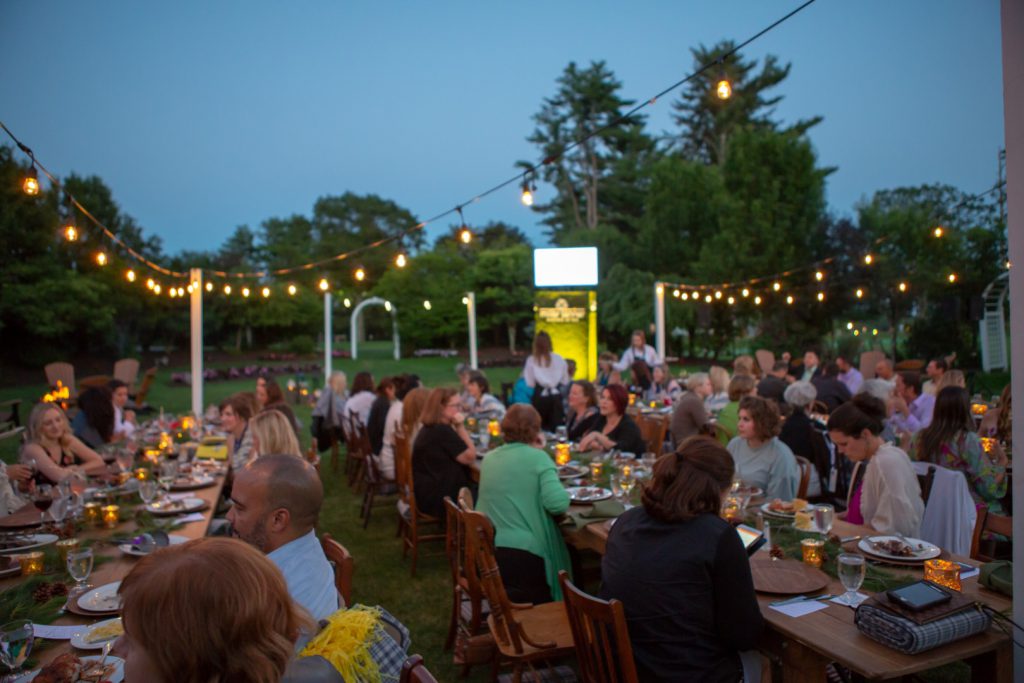
Take your meeting outdoors. Offer a rejuvenating activity like outdoor yoga or yard games. Dine al fresco under the stars (pictured). The sky’s the limit when you take your event outside of the venue conference space.

6. Friendly Competition

Who doesn’t like a little friendly competition among coworkers? Bring your team together for unique competitions like ax-throwing or a game of skeeball (pictured) aimed at bringing fun into a friendly match.

7. Get Techy

Technology is a powerful tool to boost your attendees’ engagement. Using apps, virtual reality (VR), and holograms, learning can be entertaining and memorable.

8. Include Cultural Entertainment

If your event is hosted in a country with a vibrant culture, use it as an opportunity to partake in cultural activities with your team. You’ll gain a new understanding of the world together while adding fun entertainment to your event.

9. Invite an Inspirational Speaker

Bring in a comedian or motivational speaker to teach a new perspective, motivate with an inspirational talk, or to simply bring some uproarious laughter to your event.

10. Add CSR

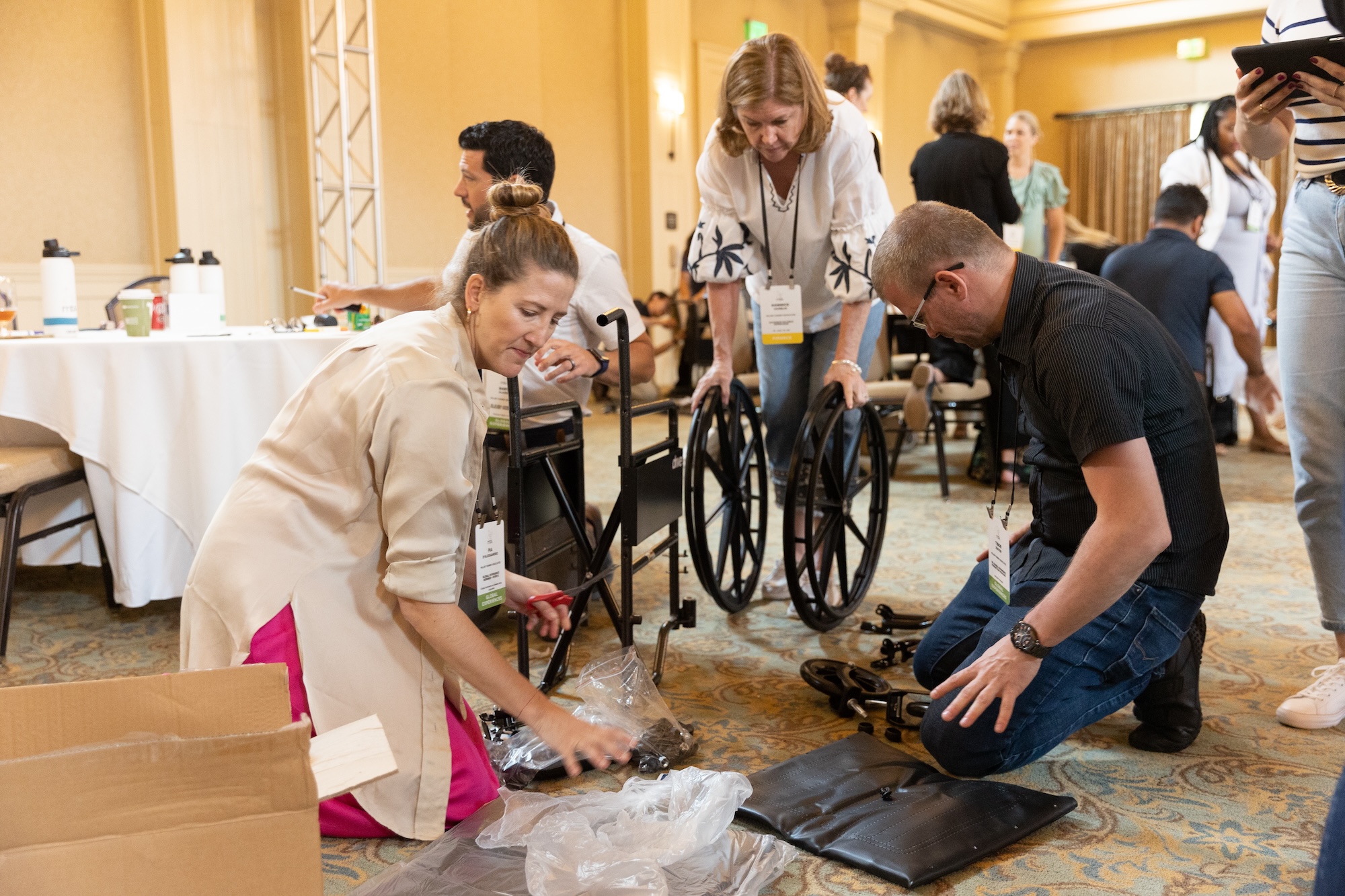
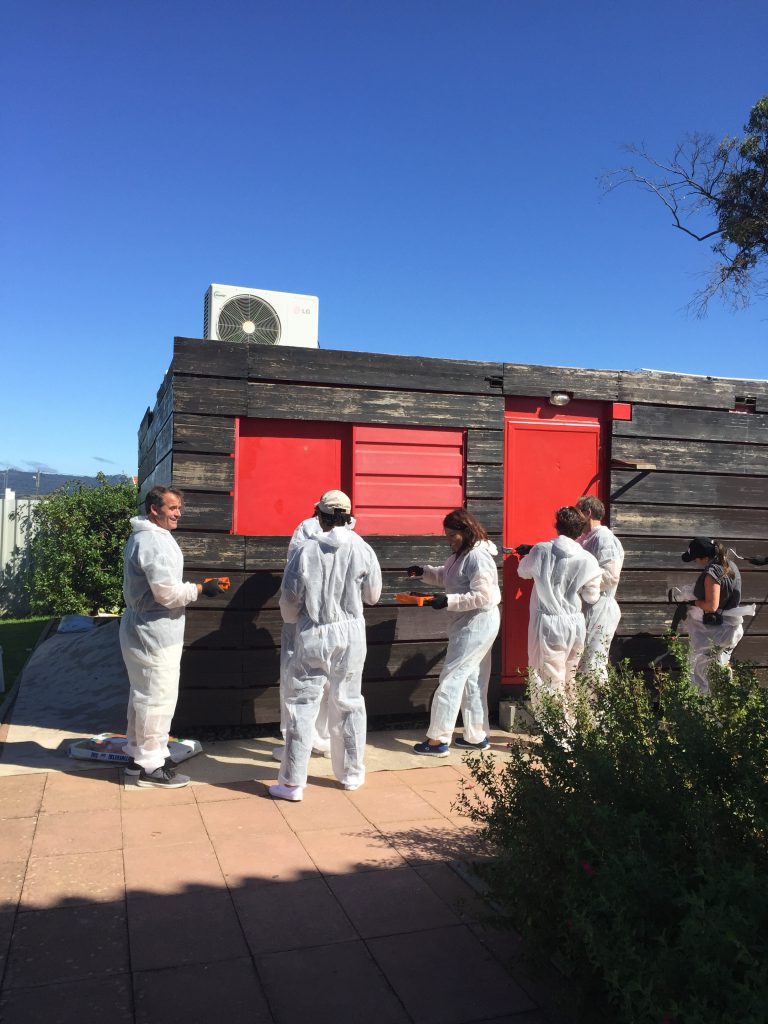
Corporate Social Responsibility activities can bring your team together for a great cause while fostering team bonding. Whether your teams are competing to build a bike for youth or assembling gift baskets, they will certainly have fun doing something meaningful together for others.

Our team can design a perfectly unique corporate event for your company. Contact us to get started!

FAQ

How can I make my corporate event more fun?

Add creative elements like a theme, interactive food and beverage stations, unique roomsets, outdoor activities, and friendly competitions.

What are some fun activity ideas for corporate events?

Ideas include ax-throwing, skeeball, outdoor yoga, yard games, cultural entertainment, gifting suites, and CSR activities.

How can technology make corporate events more engaging?

Apps, virtual reality (VR), and holograms can make learning entertaining and memorable for attendees.

What are CSR activities at corporate events?

Corporate Social Responsibility activities bring your team together for a great cause, like building bikes for youth or assembling gift baskets, while fostering team bonding.

Corporate Events: Q & A

Corporate event

Corporate Events: Q & A

Global Experience Manager Jenny Decker, CMP, shares with us the latest trends and insights for planning a memorable corporate event experience.

Which details would you consider the top priority when planning a corporate event?  

First and foremost, we always like to find out the client’s goal for the meeting.  Once we know that, we can hone in on more of what the top priorities are for the client.  We find that giving the attendees an “experience” that is unique and memorable seems to resonate the most with all clients. 

What is one essential that no corporate event should ever be without? 

Good food and time out of a hotel ballroom to truly connect are essential.  Training and lectures are needed but, especially for corporate events, your attendees are much more productive when they can sit in small groups around a fire pit or in a local pub and share ideas.

In your opinion, what’s one benefit of hiring an event planner?

When you are hosting an internal event, your focus should be on connecting with your colleagues, engaging with your team and getting the full experience of the event.  There are so many details, decisions, and frankly, too many “fires to put out” when you are on site; It would be difficult to master both – juggling the details and enjoying the full experience.  Having experienced event planners plan your meeting allows you to disconnect from the logistics and focus on your team. Our planning team can see “fires” before they start; we know how to pivot when it goes off track. We have plans and processes to make the entire event run smoothly.

How far in advance do you recommend planning a corporate event for companies considering an incentive trip for their team?

For incentive trips, we recommend a year plus. Depending upon the time of year, you usually have a lot of leisure travelers at these locations which are typically more upscale destinations. The options for availability at hotel properties sell out much more quickly so it’s important to start planning well in advance. 

What are some corporate event destinations that we’ve planned recently and why were those locations chosen?

Charleston, Scottsdale, Philadelphia, Cayman Island, Mexico, Key Largo, Las Vegas, Santa Monica, New York, Orlando, and Turks & Caicos have been the most recent destinations.

Each client has their own reasons for choosing a location but most of the time it comes down to convenience and ease of travel to and from the city.  Also, depending upon the goal of the meeting, sometimes the time of year and weather preferences are high on the list of musts. 

The location of the actual property is one of the most attractive things about these events.  If attendees are immersed in the culture of the city and able to walk and explore on their time off, it makes the experience of the event that much more enjoyable.

What is the most exciting part of planning and executing a corporate event from your perspective as a planner?

Finding new ways to engage the attendees and bringing in new vendors that offer something completely unique is an exciting aspect of planning.

Based on the feedback from event attendees, what element of the corporate event seems to be the most impactful?

Attendees seem to prefer events where they can “choose their own adventure”, have a surprise gift that they can personalize themselves, or choose which gift they want from a variety of high-end options.

What’s one activity that was the most fun to plan and see executed?

Any of our incentive trip events would be high on the list.  We get to create fun, themed nights for a small group of people and really get to see the surprise and impact that it makes on the group.

What’s different about MTA events compared to other companies?

We aren’t just checking things off lists—we listen. We make sure that it’s the event and experience that our customers want to bring to life.  And we use our expertise in logistics and design to make sure that it is truly a remarkable event that your attendees will talk about when they get back home.

Our Global Experience Team can help you design your next incentive trip, global sales meeting, or other corporate event. For more information, contact our team today.

3 Key Ingredients for Planning Successful Corporate Events

3 Key Ingredients for Planning Successful Corporate Events

Whether you plan, manage, attend or participate in a corporate event, we all know what it feels like to be a part of a successful outcome.

We know what feels, sounds and looks good – and we know when it doesn’t. It can be hard to put into words what exactly is most important, most valuable, or most appreciated during an event and after.

After experiencing everything under the sun in the world of corporate events, we are uniquely qualified to determine and identify the characteristics that are most beneficial during the event planning and management process.

Factors for Successful Corporate Events

If you want to make sure your next event gives attendees an incredible experience, there are a few key factors that are critical to help drive success – especially if you are working with an event planner.

At Miller Tanner, we believe that every event requires the following three ingredients to ensure success. 

1. Communication is paramount.

 Asking the right questions upfront, understanding the client’s expectations to help define success and translating those desires into operational actions are the keys to our success.

For example, once a client hires Miller Tanner, we start by holding a joint kickoff meeting to introduce key staff members on both teams, solidify meeting goals, learn about preferences, and outline the next steps of the planning process.

Each and every client and event is unique. It takes a lot of communication to fully understand a client’s wants and needs. This understanding helps us create an event that reflects their vision.

Effective communication is also required throughout the entire planning process to ensure a successful event. Change happens; being flexible with solutions and other options ensures communication channels remain open and effective.

For instance, a number of factors can impact the timeline, such as protocol challenges, and site or attendee selection delays. And there are other times when we have significantly less time than would be considered ideal to plan an event – but this can’t stop you from having a great event!

Communicating about issues that arise, like adjustments to timeline, procedural updates, etc., is the key to establishing realistic expectations and determining success!

2. Partnership is vital.

For us, these first two points tend to run together, as communication is the primary key to an honest and mutually beneficial partnership.

Approaching each project with a clear understanding of the client’s needs allows us to confidently determine the best services, staff and resources to deliver an exceptional event and ensure our client’s desired outcome is reached.

Each event has an on-site lead that acts as the point of contact for our clients throughout the event. Behind the on-site lead is the project manager and designated support team that specializes in registration processes, collateral materials, visa and air acquisition and a variety of other specialists.

Additionally, we assign account directors to act as an additional point of contact for each client, which helps increase the consistency and excellence within the client partnership.

Walking the path with our clients is a natural part of what we do. Being an engaged partner is our goal to ensure our clients have choices when it comes to their events.

3. Innovation does matter.

Every event planning company is looking to use innovation to revolutionize participant experiences. This typically pertains to advancements made in technology or logistics, but we have constantly innovated our processes to reflect a highly relational, strength-centric planning and management service.

For instance, following every event, we administer client and attendee satisfaction surveys which measure our company’s meeting planning success. This direct feedback enables us to continuously improve our processes and look for further ways to be innovative when it comes to our meeting planning activities.

Our teams also conduct post-event evaluations with the client to discuss the successes and lessons learned to apply for their next event. We use this information to further identify trends that we escalate internally for resolution or discuss specific processes for reconsideration.

Working with an event planning team that places a priority on innovation will help you host a creative, engaging and successful event.

How to Create a Successful Event

Miller Tanner welcomes the opportunity to help you plan your next corporate event, and keeping these three tenets in mind will lead to a more successful event outcome.

How AI is Changing Corporate Event Planning and Production in 2026

Blog Highlights 

  • AI Personalization tools can create a unique experience for each event attendee.
  • Analyzing attendee sentiment is much faster now with AI tools.
  • With an advanced understanding of attendees, these tools can help with networking.

For years, “AI” wasn’t much more than a buzzword, something dropped into every pitch deck but rarely used to its full potential. In 2026, as tools mature and workflows evolve, AI has become woven into the fabric of how corporate experiences are designed, executed, and measured. For Miller Tanner Associates (MTA), this shift means moving away from basic automation to something that brings real, transformative value: deep personalization and genuine logistical efficiency. As a result, our events feel far more intentional for every attendee and run more smoothly behind the scenes.

AI-Driven Personalization: Crafting Tailored Attendee Journeys

AI for event planning, when properly implemented, replaces the one-size-fits-all agenda with something much more engaging. Gone are generic schedules, replaced by systems that read attendee profiles and respond in real time. These algorithms analyze the roles, interests, and past behavior of an attendee and use what they learn to recommend specific session tracks and surface relevant content.

These changes mean that each attendee gets a hyper-personalized schedule that adjusts on the fly. They’ll get suggestions for breakout sessions they’ll actually care about or get a gentle nudge toward a keynote that aligns perfectly with their goals. In a B2B environment, AI can identify high-value networking opportunities and connect the right people rather than leaving these valuable introductions up to chance. The payoff is obvious: attendees feel like an event was built for them, their engagement climbs, and so does the ROI for those putting on the event.

Streamlining Event Logistics

Personalization is only part of the equation; AI’s impact on behind-the-scenes operations is just as transformative. Predictive modeling aids the logistics side, managing vendor timelines, optimizing seating charts, and anticipating bottlenecks that would otherwise derail the event. It can map how foot traffic will move through a venue and alert organizers to congestion points before they become a problem.

Post-Event Data Analysis: Turning Insights into Action

The utility of AI for event planning continues after the event as well. The old model meant waiting weeks for survey results, breaking the momentum and delaying the lessons to be learned. AI has dramatically reduced that timeframe, delivering near-instant results. Sentiment analysis tools can parse live feedback, chat activity, and real-time surveys, providing real insights into how an event is actually landing.

With these data points aggregated and delivered, stakeholders have instant access to clear, actionable metrics they can use to see what worked and what fell flat. There’s no more dependence on vague impressions from the event; stakeholders know exactly which sessions held attention, where the energy dipped, and what drove conversations. These insights can directly shape the next event, creating a feedback loop where each gathering is smarter than the last.

Partner with Miller Tanner Associates for the Future of Event Production

The AI landscape is moving fast, and enthusiasm alone isn’t enough to keep pace. An experienced, forward-thinking partner who knows how to translate emerging technology into real-world results ensures that your organization is always at the bleeding edge. Miller Tanner Associates brings exactly that blend of innovation and proven execution.

If you’re ready to elevate your next corporate meeting or conference beyond the expected, now is the perfect time to act. Contact the MTA team today and see for yourself how cutting-edge technology can transform your next event.

Data Security for Financial Events & Non-Negotiables for Your Next Meeting

financial event security

In the financial sector, the stakes for data privacy are higher than in almost any other industry. For Chief Technology Officers and Chief Operating Officers, a corporate event is not just a gathering of minds; it is a temporary extension of your firm’s digital infrastructure. Whether you are hosting a high-level investor seminar, a global leadership summit, or a strategic partnership briefing, the movement of sensitive financial data remains constant.

Protecting this information requires more than a standard privacy policy. It demands a rigorous, proactive approach to event architecture. As we look toward the complexities of the 2026 landscape, certain security standards have moved from “best practice” to absolute non-negotiables.

The Foundation of Financial Event Security

Financial organizations operate under strict regulatory oversight, and those requirements do not pause when you leave the office. Data security at an event must be comprehensive, covering everything from initial attendee registration to post-event reporting. At Miller Tanner Associates (MTA), we view security and compliance as a calling rather than a burden. We believe that a digital defense is simply the best sense when handling the high-stakes information common in finance.

5 Non-Negotiable Standards for 2026

To ensure your next meeting remains secure, your planning partner must prioritize these five critical pillars of financial event security.

1. Validated and Encrypted Platforms

End-to-end encryption is the baseline. Any platform used for virtual or hybrid components must utilize validated, encrypted channels to prevent unauthorized access. This applies to the transmission of slide decks containing proprietary projections as well as the private chats between executive leadership.

2. Secure, Role-Based Registration

Security begins the moment an invitation is sent. Utilizing a centralized management system like EPIC (Event Planning in Control) allows for role-based access restrictions. This ensures that only verified attendees can access specific session links, sensitive documents, or internal metrics.

3. Geographically Disparate and Resilient Systems

Resiliency is key to security. By utilizing geographically disparate systems, your event data is protected against localized failures or targeted attacks. This redundancy ensures that the integrity of your data remains intact, regardless of where your attendees are logging in from around the globe.

4. Third-Party Penetration Testing

A secure system is one that has been tested by the best. Every platform and tool utilized for your event should undergo regular third-party penetration testing. This proactive measure identifies potential vulnerabilities before they can be exploited, providing the peace of mind that your digital perimeter is reinforced.

5. Automated Security Scans and Patch Management

The threat landscape evolves daily. For an event to be truly secure, the technology behind it must be subject to automated security scans and consistent patch management. This ensures that the software powering your registration and engagement is always running the latest, most secure versions.

Bridging Compliance and Experience

For the finance professional, the goal is to create a seamless experience where the security protocols are invisible but invincible. By integratingdata security and compliance into the very DNA of the planning process, you can focus on the content of the meeting while we manage the nuance of the regulations.

Partner with the Experts in Secure Events

At Miller Tanner Associates, we have spent over twenty years refining the intersection of service and technology. We understand the precision required for financial events and the sensitivity of the data involved. Let our team of specialists provide the “security blanket” your organization needs for its next high-level meeting.

Ready to plan a secure, compliant, and exceptional event? Contact Miller Tanner Associates today to get started.

Photographer: Alexander Supertramp / Shutterstock

How to Start Planning a Corporate Event: A Step-by-Step Checklist for 2026

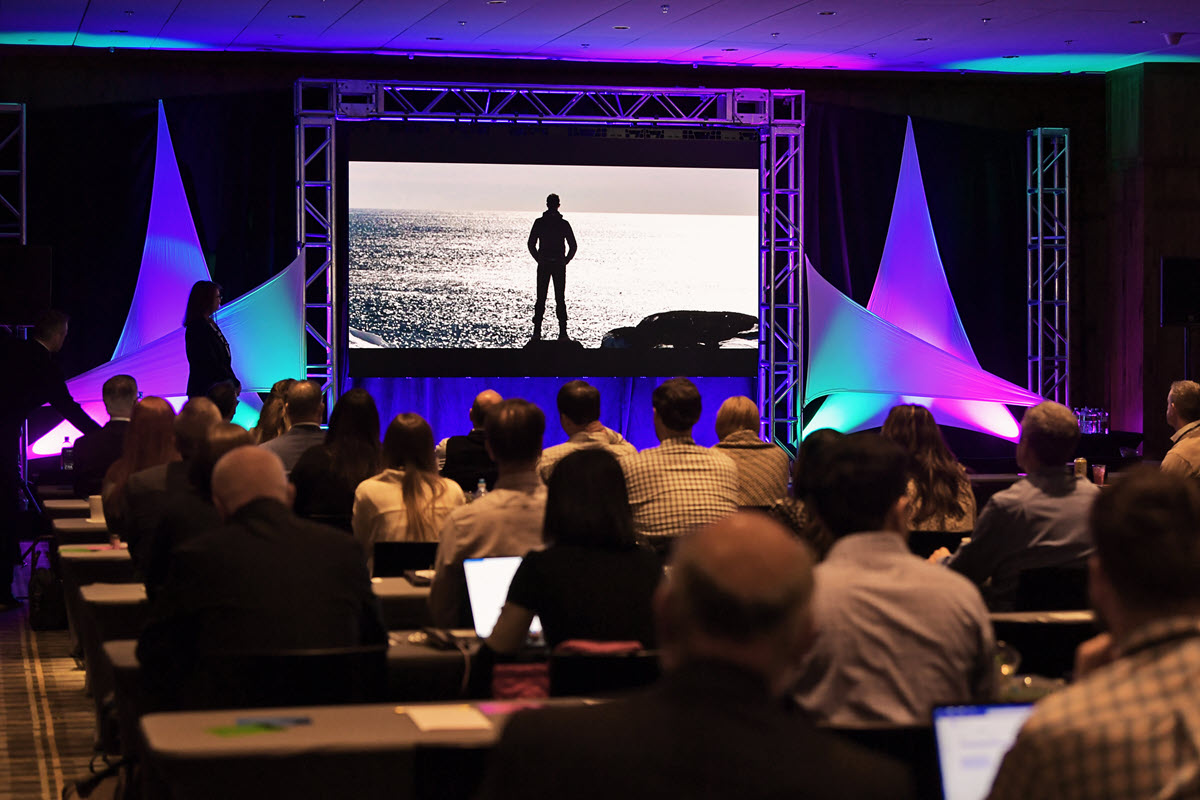
An audience seated in a large convention ballroom facing a stage with vibrant LED screens, illustrating the production and layout required when learning how to plan a corporate event.

– Establish clear event objectives and a detailed budget first.

– Select a strategic location and the right format, whether in-person, hybrid, or virtual.

– Secure vetted vendors and plan compliant logistics well in advance.

– Create an engaging agenda and analyze post-event data to measure success.

Planning a successful corporate event requires a meticulous strategy, especially as modern audiences expect highly personalized and seamless experiences. Whether you are organizing a global sales kickoff, an incentive trip, or a compliance-driven training seminar, managing the moving parts can quickly become overwhelming. Miller Tanner Associates brings decades of expertise to corporate event management, ensuring every logistical detail aligns with your overarching business goals. If you are wondering how to plan a corporate event that leaves a lasting impression, starting your process with a structured framework ensures nothing falls through the cracks.

Establish Objectives and Determine the Budget

Before booking a venue or sending invitations,  define what success looks like for your organization. Is the goal to launch a product, train employees, or foster client relationships? Clear objectives will guide every subsequent decision you make.

Once your objectives are set, build a comprehensive budget. Account for venue costs, production, food and beverage, technology, speaker fees, and marketing. It is also wise to set aside a contingency fund for unexpected expenses that may arise during the planning process.

Select the Ideal Format and Venue

Modern corporate events are no longer restricted to traditional conference rooms. Decide whether an in-person, fully virtual, or hybrid model best serves your audience. Hybrid formats require a robust digital infrastructure to effectively bridge the gap between local and remote audiences.

If hosting a physical gathering, source a location that is accessible and compliant with industry regulations. This is especially critical for pharmaceutical or highly regulated sectors where strict compliance dictates venue choices. Consider factors like hotel capacity, proximity to major airports, and local tech capabilities when vetting potential venues. Negotiating contracts early helps secure the best rates and dates.

Source Vendors and Build the Agenda

Your vendors are the backbone of your event. Partner with trusted professionals for logistics management, audiovisual production, catering, and event technology. Vetting these partners for reliability and scalability ensures your event technology remains stable throughout the entire program.

Simultaneously, design an agenda that keeps attendees engaged without causing information overload. Balance keynotes and workshops with networking breaks. Incorporating interactive elements like live polling or small breakout sessions keeps energy levels high. Ensure your technological infrastructure supports smooth transitions for all participants.

Coordinate Logistics and On-Site Execution

As the event date approaches, the focus shifts to immediate logistics. This includes registration management, attendee travel coordination, and final safety checks. Create a detailed master timeline for the event days so that staff, speakers, and vendors know exactly where to be and when. Having a dedicated on-site team to manage real-time adjustments ensures that unexpected schedule shifts do not disrupt the attendee experience.

Post-Event Follow-Up

A flawless event does not end when the final speaker steps off the stage. Gather feedback through surveys while the experience is fresh in your attendees’ minds. Analyze engagement data and review final expenses against your initial budget to measure your total return on investment and improve future planning.

Partner with Corporate Event Experts

Transforming a vision into a flawless corporate gathering requires time, resources, and deep industry knowledge. Contact Miller Tanner Associates today to discover how our global team can streamline your next corporate event from initial concept through final execution.

Why Specialized Biotech Events Require More Than Just a General Event Planner

A modern conference room set up with round tables, individual digital tablets, and large projection screens, demonstrating the logistical complexity of why biotech events require planner services.

The landscape of biotech events differs significantly from that of standard corporate gatherings, requiring a level of precision and regulatory knowledge that goes far beyond traditional hospitality. While a typical corporate meeting might prioritize team building or sales milestones, a biotech event often serves as the critical junction for complex clinical data, high-stakes investigator meetings, and rigorous international oversight.

Choosing a general event planner for these high-compliance environments is a risk that many life sciences companies simply cannot afford to take. When the success of a clinical trial or a product launch hinges on the engagement and strict compliance of Healthcare Professionals (HCPs), industry-specific expertise becomes the most valuable asset in the room.

The Compliance Gap: Why Generalists Struggle

A general event planner is usually an expert at logistics, decor, and catering, yet they often lack the specialized knowledge required to navigate the Sunshine Act or international transparency reporting. In the biotech world, a simple meal can become a compliance nightmare if not handled with absolute precision.

HCP Meal Caps and Tracking

Life sciences events must adhere to strict spend limits regarding HCPs. A general planner might not realize that every coffee, lunch, and dinner must be tracked and reported down to the penny. At Miller Tanner Associates (MTA), our teams are trained to manage these meal caps across different global regions, ensuring your event stays within legal boundaries while still providing a premium experience.

Transparency Reporting

Reporting requirements differ by country and frequently vary by state. A generalist may provide you with a final invoice, but a biotech specialist provides you with data-ready reports. We understand that your legal and compliance teams need audit-ready documentation that maps directly to your transparency reporting software.

Specialized Logistics for Clinical Success

Biotech event planning goes far beyond picking a venue. It involves managing the complex schedules of busy investigators and ensuring that critical training is delivered and verified.

Certified Training and ALEX 

One of the most significant differences in biotech planning is the need for validated training. If  clinical sites are not properly trained on a study protocol, the integrity of the entire trial could be at risk. We utilize our proprietary technology, ALEX, a Learning Experience to provide on-demand training that includes audit-ready records and assessments. This level of technical oversight is rarely found in general event agencies.

Global Nuances and Language Support

Biotech events are global by nature. Managing an investigator meeting in Barcelona requires a completely different approach than one held in Boston. From securing visas to providing simultaneous interpretation services, a specialized partner understands the cultural and logistical nuances unique to the life sciences sector.

Beyond the Logistics: The MTA Difference

At Miller Tanner Associates, we do not just plan meetings; we partner with you to help improve lives. Our focus is on creating an environment where your scientific message is heard, your data is secure, and your compliance is guaranteed.

If you are planning an upcoming investigator meeting, advisory board, or sales kickoff, do not leave the details to a generalist. Partner with a team that speaks the language of life sciences fluently.

Ready to elevate your next biotech event? Contact the experts at Miller Tanner Associates today to see how our specialized expertise can streamline your compliance and boost your event’s impact.

Beyond the Ballroom & Unique Corporate Retreat Themes for 2026

Why the “Standard” Retreat is No Longer Enough

Your retreat is a high-cost, high-value investment, and a unique theme can help you get more bang for your buck. You want a space where your employees can spark a connection and enjoy being part of a team. For hybrid teams this retreat is their chance to meet up in person. 

The current trend in corporate retreats is purpose-driven engagement with activities designed to teach you something or build relationships in new ways. These activities thrive in a deep focus environment. Miller Tanner Associates (MTA) is a creative resource that can transform your meeting into a cohesive, themed, brand experience.

5 Bold Corporate Retreat Themes to Redefine Your Culture

Your corporate retreat theme is only limited by your imagination. When you work with MTA, our creative design services help in bringing these themes to life. Here are a few ideas to get you started.

1. The “Innovation Incubator” 

This is a great theme for a tech or startup company. It’s a high-energy “hackathon” style retreat.  Utilize “Shark Tank” style pitches and real-time digital whiteboarding to present solutions to current hurdles within the company. 

2. “The Expedition” 

Designed for leadership and resilience building, the Expedition takes your team off the grid where your team can unplug. The activities should center around “navigating the unknown.” For example, a group breakout session can utilize skills to map out a few years of the company’s uncharted territory. 

3. “Digital Detox & Deep Work” 

It’s time to go old school with this wellness and focus retreat. You want to find a minimalist and serene environment for the retreat. Throughout the sessions, you want to have a strict “no device” policy, so no one is tempted to check email or the news. During the sessions, your team members should focus on monotasking. You can also work on strategic alignment without Slack or email vying for attention. 

4. “The Global Heritage”

Use this theme to focus on diversity and inclusion within your company. This should be a celebration of the global workforce and the diverse backgrounds within your company and customer base. You can use storytelling workshops and immersive environmental design to explore cultures around the world in an intensive way. 

5. “Future-Proofing”                                             

This strategy and AI integration retreat is your chance to try something new. You start with futuristic and high-tech aesthetics and add interactive AR/VR elements. Use the retreat as an opportunity to demystify new technologies and align the team on the future of their industry.

Turning a Theme into a Cohesive Brand Experience

The theme of your retreat is more than a logo. It should integrate into every area of the retreat. It’s at the registration site, in the graphics, and is a part of the surprising and awe-inspiring moments throughout your retreat. Commit to your theme. MTA uses a strategic approach to ensure the theme supports the actual business objectives, not just aesthetics. We help you see new ways to include your theme in your events and more. 

The Logistics of Creativity: Why Execution Matters

It’s easy to see how you want to weave your theme throughout your retreat, but harder to pull off in practice. You need flawless execution to ensure the theme doesn’t fail. While the theme for your retreat starts at the highest levels, MTA is ready to handle the heavy lifting to ensure the theme is executed with intentionality and precision. 

Ready to Design Your Most Memorable Retreat Yet?

You don’t have to go with last year’s theme for this year’s retreat. Contact Miller Tanner Associates to start brainstorming your 2026 event strategy.

The Ultimate 2026 Corporate Event RFP Template (& How to Evaluate Proposals)

Planning a high-stakes corporate event in 2026 requires more than just a date and a venue. You need a partner who understands the evolving landscape of global logistics and technology — and who can, therefore, provide you with the tools you need to plan your event effectively. Unfortunately, many RFPs are outdated. They focus on surface-level costs rather than long-term value and security—and that means you may miss out on opportunities to make connections and make your business more effective. 

Enter the 2026 Corporate Event RFP Template. This tool can streamline the vendor search and ensure no detail is overlooked, ultimately creating events that better serve the long-term needs of your company and your event. 

Essential Components of a Modern Corporate Event RFP

Your RFP needs to contain essential information that will shape the course of your event. It’s not just about your budget, though that is certainly an important element; your RFP should offer the detailed data you need to make vital decisions about your event. 

1. A Detailed Scope of Work

Your scope of work should move beyond the basics like “we need a stage.” Instead, use your scope of work to define the attendee experience and corporate expertise. This detailed scope of work makes it easier to make decisions about everything from the right venue to the ideal materials. 

2. Budget Clarity

Transparency from the early stages of planning helps you avoid hidden fees later. Make sure you know what each potential vendor will charge for their services, including any attached fees—and plan ahead for the ones you expect. 

3. Technology Requirements

Often, technology plays a key role in those high-powered corporate events. You don’t just want to know that the venue has it available; you want to make sure that it is reserved for your event. From hybrid streaming capabilities to AI-driven networking tools, lay out those needs and make them part of your contract. 

The MTA Advantage: What Other Templates Miss

Many RFPs include detailed summaries. However, MTA offers a number of strengths that can streamline your event preparation. A vendor can book a room, but a partner manages your risk—and we strive to provide that high-level partnership for all our users. 

Data Security

Increasingly, data security is an essential part of every area of your business. You need to ask about vital regulations and the vendor’s compliance with them, including GDPR and SOC2. Compliance not only makes sure that your attendee data is protected in an increasingly digital world, it ensures that your company and brand are free from potential repercussions. 

Transparency Reporting

Move beyond “flat fees” to see the real data behind spend and ROI. Our format helps you break down all the costs, not only to help with your current event plan, but to review that content in the future. 

Global Compliance

Planning across borders can be incredibly complex. You have to vet vendors to make sure they comply with local laws and ensure that they participate in ethical sourcing. Our templates ensure that you can check compliance requirements with ease. 

How to Evaluate the Proposals You Receive

When you receive proposals, don’t just look at the bottom line! Break down your evaluation into categories that reflect your deeper-level needs. That includes:

  • Experience & Reliability (30%)
  • Innovation and Creative Vision (30%)
  • Security & Compliance (25%)
  • Cost Efficiency (15%)

With this strategy in place, you can focus on the elements that actually matter most to your brand. Don’t forget the “Red Flag” check: Identify vendors who provide vague answers regarding data or global logistics. In many cases, that means that they do not have the bandwidth to handle events at that level—and that can leave you struggling to ensure that everything falls into place. 

Start Your 2026 Planning on the Right Foot

A great event starts with a great RFP. By using the MTA template, you’re setting a higher standard for your brand, from ensuring better overall transparency to using the right data to calculate your vendor choices. Get started today and see the difference our high standards make in your event planning.

How to Start Planning a Corporate Event: A Step-by-Step Guide

Global Sales Event in Washington, D.C.

Company picnics, professional development conferences, holiday parties, and other major events play an important role in helping team members network while building their knowledge of the latest trends in your industry. Getting every detail of a large corporate event just right often requires many meetings over several months, and staying organized throughout the process goes a long way toward avoiding oversights and planning something unique and exciting. Here are some of the most important things to know about planning a successful corporate event, as well as insights into how working with Miller Tanner Associates can simplify the corporate event planning process!

Define the Purpose 

Being able to clearly articulate why your team wants to host a particular corporate event is an important first step in making sure that it is a good fit for both your attendees and your organization. While some events are simply about camaraderie and networking, others play a key role in helping your business reach one or more specific goals. Identifying the outcomes you want your event to result in before moving forward in the planning process helps your team stay focused on making decisions that accomplish specific objectives. 

Set a Budget 

Planning a corporate event naturally involves a significant amount of brainstorming, which can result in wanting to do more than you reasonably have the time, funds, and other resources for. Determining what your spending limits need to look like early on is a must when it comes to being realistic about which ideas fall within your organization’s capabilities. Your event planners can then use this information to figure out which combination of activities, food, decor, and other features will allow you to get the most out of the amount of money you have to work with. 

Create a Planning Timeline 

Many large corporate events take several weeks or months to plan, and determining when each item on your list should be completed helps you avoid missing key details. 

Build Your Planning Team 

Assigning specific roles and responsibilities is a much more organized approach to planning a large event than simply creating a list of things that need to be done and hoping that someone takes the initiative to make it happen. This way, project leaders know that everything is getting done without placing an unnecessarily high amount of responsibility on any specific team members. 

Choose a Date and Venue 

Your planning team should determine when and where your corporate event will be held as early as possible to make sure that it works for the majority of your potential attendees. Calendars fill up quickly, and making sure that everyone knows exactly when major events will be several months in advance can go a long way toward boosting attendance. If your event will be held somewhere that is not owned by your company, you will need to book it as soon as you have decided on these details to make sure that your preferred location is available when you want it. 

Plan Event Details 

Every corporate event is a bit different, but there are several areas that most planners should focus on to create a well-rounded event that employees and other guests will be talking about for years. Some of the most important details to start working on as soon as you decide to host a corporate event include: 

  • Catering, potluck signups, tables, tents, and other important food-related logistics 
  • Any vendors that will be donating or selling products 
  • What you want your agenda to look like, especially if you are planning a productive event that incorporates business-related items 
  • Any computers, screens, outdoor electrical sources, or other tech-related needs

Promote Your Event 

Even the best-planned event will not reach its full potential if employees and other potential attendees do not know that it exists until it is too late to rearrange the rest of their schedules. Leveraging a combination of internal invitations and external marketing materials in multiple formats ensures that everyone knows the details long before the date of your event. 

Track the Progress of Your Corporate Event Plans With Miller Tanner Associates 

At Miller Tanner Associates, we are here to help your team simplify the process of planning a successful and memorable corporate event. We offer a wide range of event planning checklists and other project tools that planning teams can use to make sure that every step is completed when it should be and no key details are missed. Contact us today to learn more about the most important things to know about making sure that your vision runs as smoothly as possible, or to get started!