Success Story: How a Hotel Contract Cancellation Clause Resulted in Zero Penalty During Pandemic

The Event

Multiple face-to-face events with meeting attendance directly threatened by a public health crisis, COVID-19 between February 2020 through June 2020

The Challenge

Given our previous experience with global outbreaks and public health crises including SARS (2002), Swine Flu (2009), MERS (2013) Ebola (2014) and Zika (2015), Miller Tanner Associates (MTA) knew that it was likely meeting attendees would be reluctant to attend face-to-face events with so many looming unknowns related to the meeting’s safety, travel, and accommodations. In these instances, travel could be prohibited for in-person attendees without advanced notices. Based on our extensive industry knowledge, we had historically included hotel contract clauses to address these emergency epidemic/pandemic situations among others. Typically, generic clauses are offered by venues; however, those are not always in the best interest of our clients who might need to proceed with the meeting on the same timeline, but in a different format.

Expanding upon our prior global experiences, in early January 2020, the Miller Tanner Associates’ Global Experience Team discussed the growing uncertainty and concerns over the COVID-19 outbreak that was happening in China and how it could impact upcoming Asia Pacific meetings as well as other global regions worldwide.

The Solution

MTA includes several clauses in all venue contracts that protect our clients in situations of emergency, terrorist attacks and other scenarios that would impact the full or partial audience attendance. We evaluate our contract clauses often to ensure that we have measures in place to protect our clients from situations outside of the norm.

Taking a proactive approach and utilizing our strong hotel partner relationships, we implemented a cancellation clause for all our hotel/venue contracts in reference to COVID-19 specifically. The COVID-19 clause allowed MTA 100% cancellation in case there was a need to cancel any event impacted by the pandemic with no obligation to rebook at a future date – allowing those events to move forward on their own time and in their preferred way. 

As a result, we secured 100% forgiveness of payment obligation for scheduled events that were canceled due to the coronavirus between February 28 – June 2020. This enabled our clients to avoid cancellation costs associated with their events during this timeframe and allowed for the future rescheduling of their events without penalty. We value our venue partnerships, especially during these uncertain times, and appreciate all who worked with us to put our clients’ and customers’ best interests first.

Virtual Events: Frequently Asked Questions

Do you have questions about virtual events? We have answers.

Q: Is virtual really the best option for my canceled meeting?

A: Virtual event solutions are a very effective alternative to a canceled face-to-face event. Even when you can’t meet face-to-face, our virtual solutions offer an option to deliver your message to a virtually-engaged audience. 

Virtual Event Planning E-Book

Q: Why should I use Miller Tanner Associates (MTA) for my virtual event? 

A: We have over 10 years of virtual event planning experience. With a virtual event planned and managed by Miller Tanner Associates, your organization can streamline everything from staff training to annual investor recaps. We have created an innovative approach to virtual event planning and management that is focused on delivering a fully-tailored experience that suits your individual needs and goals. Years of experience have taught us exactly what works in the virtual event space. Now, we are able to make virtual events as powerful as meeting face-to-face.

Q: How are your virtual solutions and planning processes different from others?

A: Our approach is to partner throughout the process to plan your virtual event experience. First, our team identifies your virtual event goals so that we can recommend the best technologies for your virtual needs. Platforms are not one-size-fits-all when it comes to virtual meetings and it takes expertise to determine the best fit for your specific event goals.

Secondly, we guide you through the entire virtual event planning process and can assist with everything from managing registration, providing redundant systems, optimizing your presentation materials, coaching your presenters, creating an effective agenda, providing tech support, and ensuring audience engagement throughout the event production. 

Q: How many attendees can participate in a virtual meeting?

A: There is no limit restriction for the number of participants for a virtual event. 

Q: Will I have to “go it alone” during the virtual broadcast?

A: We have a team of experts working alongside you to provide technical and practical support throughout the duration of your virtual event. 

Q: What if I lose audio or video during an event? 

A: MTA’s support will provide assistance to make sure your virtual event runs smoothly.  If it is a system issue, MTA will work diligently to get everything up and running. We have specific processes in place to avoid and remedy any issues that a participant or presenter might have when participating in a virtual event. 

Q:  What about security for my virtual event?

A: Because of our expertise and security parameters, your event is secure. Our systems are geographically disparate and resilient. We use established and constant internal auditing processes. Individuals are issued unique credentials for virtual meeting access. Security is paramount for each and every event that we host. 

A: This is an important differentiator for clients in the life sciences industry. However, many other industries find it supports their requirements as well.  As part of our virtual event solutions, we developed a proprietary tool VALTs (Virtual Assessment Learning and Training Source) which supports 21 CFR Part 11 requirements such as trustworthy e-signature and reliable electronic records with associated audit trails.  Through our dynamic client reporting, clients can monitor training completions and produce electronic training records for their files through a secure system.

Q: Will I know who attended? 

A: MTA provides post-event reporting that will identify the attendee by the unique URL they were provided when registering. This will show the client who attended from registration and the duration they were in attendance.

Q: How do I keep attendees engaged throughout my virtual event?

A: This is one benefit of having a professional meeting planner support your virtual event. With over 10 years of experience in virtual event planning, Miller Tanner Associates has developed best practices and a variety of strategies to ensure that your virtual event is engaging and interactive. Once we understand your event goals, our team designs an event that keeps your audience attentive and captivated throughout every session. 

Let our team of expert planners handle the details from start to end. Are you ready to get started planning your virtual event? Contact our team to learn more about how we can support your virtual experience.

10 Fun Activities for Corporate Events

Have your corporate events become stale? Are you looking to add a unique touch to your company’s meeting? Do you wish you had better engagement from your team?

For starters, add more fun elements to your next corporate gathering! With some creative thinking outside the box and the help of expert planners to guide you, you can design an event that is more personalized, exciting, and engaging for your attendees.

10 Fun Corporate Event Ideas

Here are just a few ideas that our Miller Tanner Team has used to bring more fun to the corporate events that we’ve designed.

1. Pick a Theme

A theme can unleash so many creative ideas, boost attendee engagement, and bring the details of your entire event together in a way that WOWs the crowd.

2. Unique, Interactive Food and Beverage Options

Instead of gathering your team around the proverbial watercooler, gather your attendees around a food and beverage station that is sure to spark fun and engagement during the break time. Try adding a sugary donut wall or a customized drink dispenser such as Drink Ripple (pictured).

3. Choose Your Gift

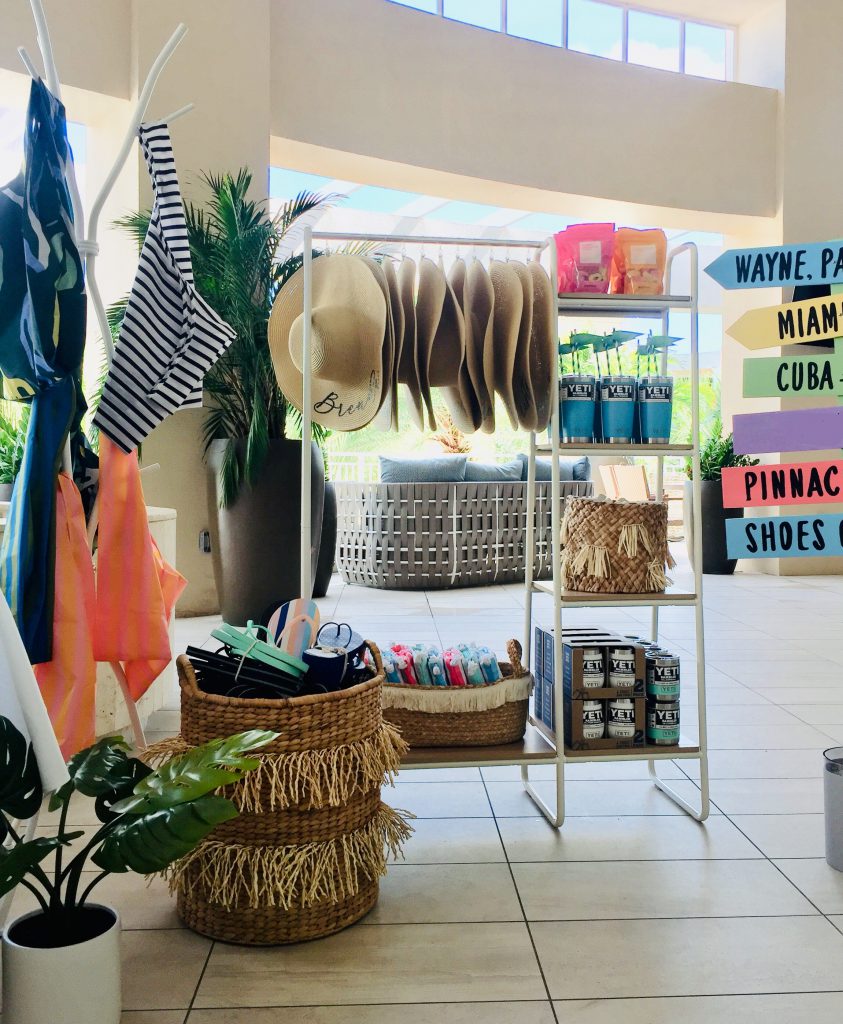
Remember those choose-your-own-ending stories? Well, the latest new trend in corporate event gifting is offering a gifting suite where attendees can choose their own gift, the one that speaks to them personally (pictured).

4. Customize the Roomset

We have so many options in roomset design. You can add the unexpected twist to your traditional meeting room with cozy sofas, modern chairs, or outdoor-style loungers.

5. Get Outside

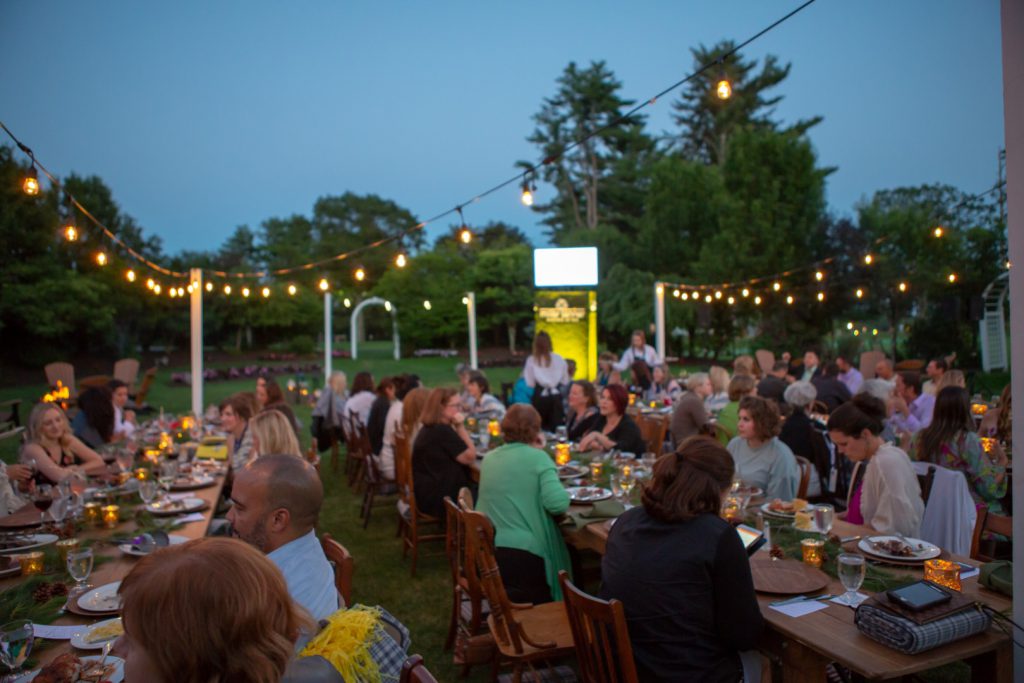
Take your meeting outdoors. Offer a rejuvenating activity like outdoor yoga or yard games. Dine al fresco under the stars (pictured). The sky’s the limit when you take your event outside of the venue conference space.

6. Friendly Competition

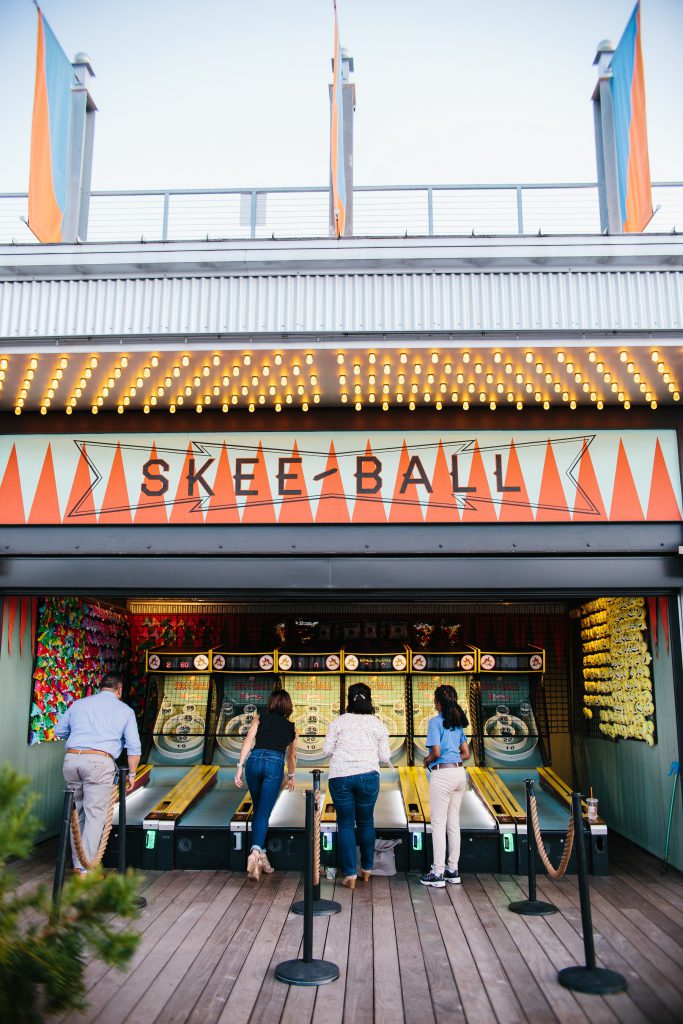
Who doesn’t like a little friendly competition among coworkers? Bring your team together for unique competitions like ax-throwing or a game of skeeball (pictured) aimed at bringing fun into a friendly match.

7. Get Techy

Technology is a powerful tool to boost your attendees’ engagement. Using apps, virtual reality (VR), and holograms, learning can be entertaining and memorable.

8. Include Cultural Entertainment

If your event is hosted in a country with a vibrant culture, use it as an opportunity to partake in cultural activities with your team. You’ll gain a new understanding of the world together while adding fun entertainment to your event.

9. Invite an Inspirational Speaker

Bring in a comedian or motivational speaker to teach a new perspective, motivate with an inspirational talk, or to simply bring some uproarious laughter to your event.

10. Add CSR

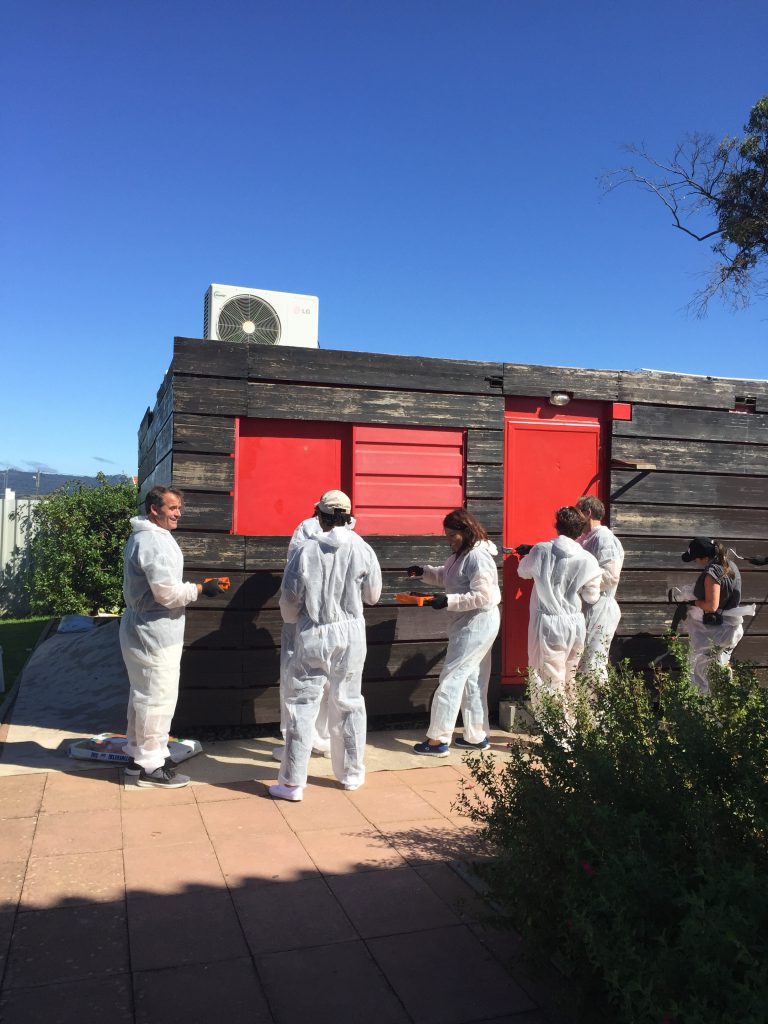
Corporate Social Responsibility activities can bring your team together for a great cause while fostering team bonding. Whether your teams are competing to build a bike for youth or assembling gift baskets, they will certainly have fun doing something meaningful together for others.

Our team can design a perfectly unique corporate event for your company. Contact us to get started!

Meet MTA: Janina Marsh, Global Experience Designer – Events

The Miller Tanner difference is our people. That’s why we want to introduce you to our team of superstars who brings our corporate meetings and events to life for our clients.

Today we introduce you to Global Experience Designer – Events Janina Marsh. Janina brings to the team a wealth of knowledge from her background in experiential design. With her creativity and expertise combined, she guides customers through the complexities of designing face-to-face and virtual event experiences that hit the mark.

Meet MTA: Janina Marsh, Global Experience Designer – Events

Strengths (based on CliftonStrengths): Communication, Woo, Input, Positivity, Achiever

Tell us about your current role with MTA? What are your primary responsibilities?

As a global experience designer, I am a lead planner for corporate programs. My primary responsibilities include everything from customer communication, logistics planning, and on-site and/or virtual event execution. With my background in luxury event design and experiential design, I love understanding the primary goals of the customers’ programs and meeting those goals in a unique and unexpected way.

What did you do before joining  MTA?

I have been working in the event industry for 12 years. Before joining MTA, I worked in many avenues of the live event industry from beautiful hotels and venues to luxury event design. My most recent experience took me to the beautiful Napa Valley, where I developed social and culinary experiences.

What’s the best part of your job?

Designing a custom experience for each customer is one of the best parts of my job. I love how each meeting and live event has a uniquely human element where everyone is learning, growing, and being impacted by the content, no matter how big or small.

During the pandemic, how did you pivot within your role as an event planner and what did you find to be most challenging or rewarding within virtual events?

With a background in production and AV, I found myself immediately pivoting to learning about technology solutions that recreate an immersive experience in a virtual setting. It was incredible how the event industry came together to support virtual event education through webinars and various learning opportunities. Now instead of sourcing the perfect meeting venue, we have pivoted to sourcing the best virtual platform.

Personally, it has been very exciting learning about creating engaging experiences in a virtual environment. What I love is that there seem to be endless technology solutions for recreating an experience – like a virtual DJ kicking off a general session or hosting a virtual wine-tasting as a virtual networking opportunity. We strive to create an experience that brings us together, even when we are apart.

What do you think is a key factor in delivering a successful virtual event?

Elevated production! Ensuring the virtual presenters are set up with the best camera, lighting, and audio will ensure the successful delivery of the content.

What’s a common misconception surrounding virtual events?

I believe a common misconception is that it should cost less to host a virtual event than a face-to-face event. While there are absolutely cost savings to be accounted for, a creative way to translate an on-site food and beverage budget to virtual would be to consider sending “pre-mailer packages” to attendees for engagement value.

What’s been your favorite event destination as an event planning professional?

I have truly enjoyed planning programs in Barcelona, Spain. It is one of my favorite cities in the world featuring a city experience with a Mediterranean influence.

What’s been your most memorable face-to-face event to date and why?

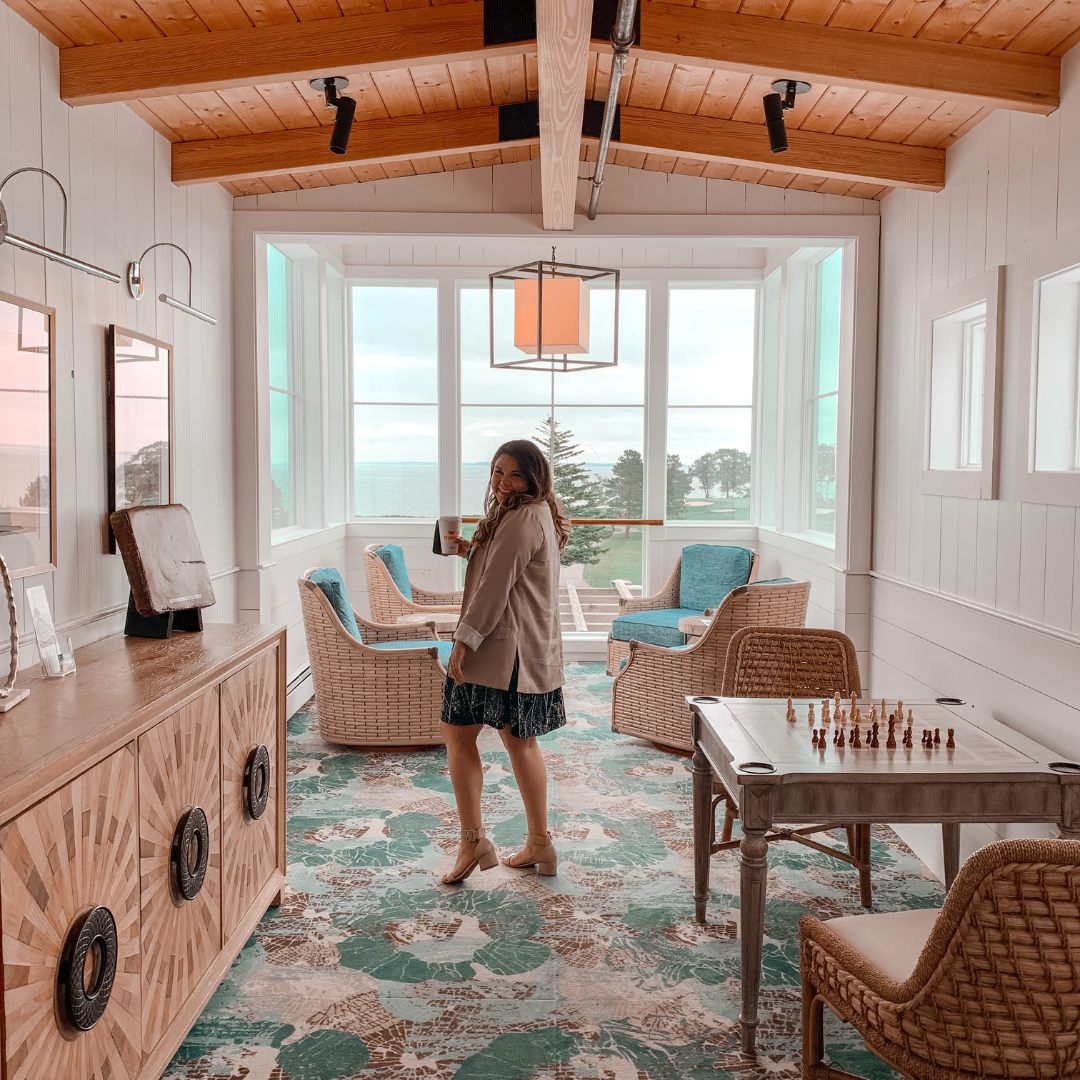
My most memorable event to date has been producing a dual incentive experience “Tale of Two Cities” where our US-based attendees traveled to Maine and our European attendees traveled to Ireland. In Maine, attendees took in the scenic coastline of the historic harbor towns and dined among James Beard award-winning chefs. In Ireland, attendees walked through the halls of history at the Adare Manor with personalized itineraries including a unique whiskey tasting and treasured tee time at the masterfully designed golf course.

What’s one place that you’d love to travel to for an event and why?

I would love to travel to Japan for an event. My sister lived in Japan for about 2 years and I was lucky enough to visit her while she was there. I would love to plan a program in this beautiful country because of Japan’s rich culture and unparalleled hospitality.  I would also love to explore the technology they have available to advance global meetings.

What do you do for fun?

I absolutely love traveling on my personal time. I jump at any chance I get to experience a new culture or unique cuisine. I also have a strong passion for wine and I am currently studying for my WSET (Wine and Spirits Education Trust) level 1 in wine.

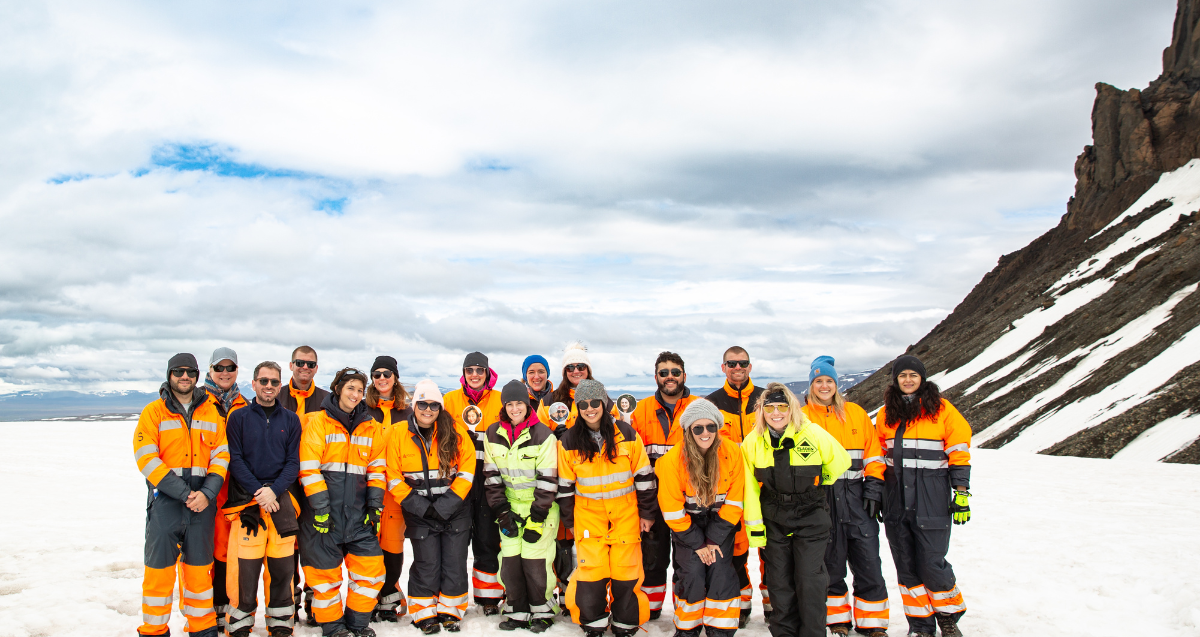
Janina and the Global Experience Team on a glacier in Iceland

Each summer, MTA comes together for a Workshop where we bring all of the team together for a week of training and team building. Why do you think that this is important? What do you get most from this time together?

To me, the MTA Workshop is an invaluable experience that allows our teams and departments to connect, grow, and unite as we look toward the future of MTA. It is at the heart and soul of what we do at MTA – provide dynamic experiences.

As a global company that primarily communicates virtually, the time shared together through experiences or collective conversations (or like in 2022, on a glacier) is what I most look forward to at the MTA Workshop. I love learning about what other departments are working through or celebrating in addition to personally getting to spend time with new team members.

What makes Miller Tanner Associates stand out as a meeting planning company?

In my opinion, the people truly make MTA stand out as a meeting planning company. In a fast-paced and high-demand industry, we work together as a team and company to exceed expectations. My favorite aspect is that even though we are a virtual company, I feel connected with my team and customers daily through our platforms and teamwork. Trust in your team and clear communication paired with customer service contribute to the experience that the Miller Tanner Global Experience Team brings to each customer.

To learn more about our MTA Team, visit www.millertanner.com.

Meet MTA: Mary Long, Chief Compliance Officer

The Miller Tanner Associates (MTA) difference is our people. That’s why we want to introduce you to our team of superstars that bring our corporate meetings and events to life for our clients. With decades of compliance expertise, Chief Compliance Officer Mary Long leads the design, implementation and assessment of compliance for MTA’s operating processes, ensuring compliance with legal, regulatory and contractual obligations.

Meet Mary Long

Tell us about your current role as Chief Compliance Officer for Miller Tanner Associates (MTA)?

As Chief Compliance Officer for Miller Tanner Associates, I work across our internal departments to assure we have appropriate processes and procedures established to fulfill MTA’s legal commitments to our clients and or authorities.  

What are your primary responsibilities?

My role is to support and guide our teams to understand what compliance means, why it is important in terms of how we produce quality products/services.

How long have you been with Miller Tanner Associates? I have worked at MTA for 10 years!

What did you do before joining MTA?

Before joining Miller Tanner Associates, I worked in the clinical research organizational industry in global clinical operations and clinical quality compliance roles for twenty years. I was responsible for the development of departmental standard operating procedures (SOPs), process standards, benchmarking, system, and reporting tools for multiple companies. I also have ten years of nursing and have held positions in hospitals, clinics, and home care, with a therapeutic focus in oncology, nephrology, and orthopedics.

What do you feel are the most fulfilling aspects of your job?

It’s very fulfilling to continue to expand my understanding of the everchanging world of data privacy and to be able to support our teams with that knowledge.

What compliance-related concerns do our clients have and how does MTA address these concerns?

As the world is looking forward to planning more “in person” event opportunities to train, support and collaborate with their attendees, country, and or associations, compliance aspects of providing hospitality for an individual will need to be built into the pre-event event timelines.   Staying flexible in offering both in person and virtual (hybrid event) experiences for attendees will remain relevant for some time. 

Each summer, MTA comes together for a Workshop where we bring all of the team together for a week of training and team building. Why do you think that this is important? What do you get most from this time together?

As MTA has been a “virtual” company for 25 years, we recognized long ago that face-to-face interactions that occur at our workshops continue to support and build strong connections, relationships and commitments for one another and for the organization. 

Since you are based in Texas, tell us 3 must-see/must-do attractions when visiting the local area.

Some of the best attractions in San Antonio are the Mission Trail, the River Walk and Tower of the Americas, which is a 750-feet tall tower with panoramic views built as part of the 1968 World’s Fair.

Learn more about Mary here.

Proud Member of WBENC

WBENC logo

Our team will be attending the Women’s Business Enterprise National Council (WBENC) Conference this week in Baltimore.

The National Conference & Business Fair is the largest conference of its kind for women business owners in the U.S. The WBENC National Conference & Business Fair is attended by Women’s Business Enterprises (WBEs); senior executives and procurement representatives from the Fortune 500 and the U.S. Government; and select partner organizations whose missions align with WBENC’s vision of expanding women’s business opportunities in the marketplace. With three days of robust programming, the conference features lectures and presentations from today’s thought leaders, engaging panel discussions, 1:1 MatchMaker sessions, networking receptions, and a notable Business Fair.

For the past 16 years, Miller Tanner has proudly maintained a Women’s Business Enterprise (WBE) Certification through WBENC, the nation’s largest third-party certifier of the businesses owned and operated by women in the U.S. Nationally recognized by thousands of major U.S. corporations and federal, state and local government entities, obtaining this certification is a lengthy and intensive process. To achieve WBENC certification, women-owned businesses complete formal documentation and a site visit process which is administered by one of WBENC’s 14 Regional Partner Organizations.

Connie and Bonnie

“In 2002, I first learned of the WBENC Certification and how having this certification could help our clients.  Miller Tanner is proud to be part of this highly-valued certification program for the past 16 years. It not only affords us great opportunities and partnerships as a supplier diversity business but also the opportunity to pass along great benefits to our clients,” shares Marnie Miller Battistini, CEO of Miller Tanner Associates. “We look forward to attending this week’s conference to connect with other supplier diversity leaders across the U.S. “

Learn more about the benefits of working with a WBENC-certified business here.

25 Best Business Travel Hacks for a Stress-Free Business Trip

From Argentina to Ireland to China to Australia, we’ve planned thousands of events for our clients all over the world.

In the process, we’ve traveled extensively and worked tirelessly to create exceptional travel experiences for event attendees.

As a result, we often find ourselves sharing travel tips with clients, family and friends who are looking to make traveling a little less hectic and more stress-free either for themselves or for an event they’re planning.

So we figured, why not compile some of our top travel tips as a handy resource?

Whether you’re planning a conference and you have to manage the travel needs of a thousand attendees or you’re just looking for some helpful hints to make your own travel experience a little smoother, we’ve got you covered with a ton of great travel suggestions, tips and tricks!

Smart Business Travel Tips from Event Planning Professionals

From planning and packing to travel tech and troubleshooting, we asked Miller Tanner’s ace event planning professionals to share some of their top travel tips for a worry-free trip.

PACKING

How to pack for minimum frustration and maximum peace of mind…

1. Organize your carry-on

Never underestimate the power of an organized carry-on bag! Our team member recommends the Lo&Sons OMG bag which fits a laptop, a pair of shoes, and attaches easily to a roller bag. Organize documents and travel items before leaving for the airport for easier access. Consider a passport holder to keep tickets and travel info in one place.

2. Dress for convenience

Keep in mind that if you are not PreCheck [or Global Entry], you will have to remove shoes, sweaters, jackets, jewelry, etc. Plan your travel outfit accordingly.

3. Remember the essentials

Have some long-haul essentials ready to pack when needed such as compression socks, eye mask, ear plugs, lip balm and toothbrush/paste set, blow-up neck pillow, and socks.

4. Consolidate your technology.

Rather than take 20 travel adapters for all your laptops, phones and chargers, buy yourself a 4- or 5-way socket board (also called trailing sockets). You then only need 1 adapter and instantly get 4 or 5 sockets as a bonus.

5. Bring some distractions.

Consider loading books on your Kindle or movies on your computer to keep you occupied during your trip. Headphones work wonders to relax you and block out loud airplane noises.

6. Prepare for unexpected delays.  

Always pack some snacks in small bags in your carry on. Flights can be long, delayed, and/or sometimes on the tarmac. 

7. Prepare for the flight. 

A neck travel pillow can be re-purposed as lumbar support if you have an aching back and can also be used to raise your laptop if it’s too big for the table tray.

PREPARATION

Things to do ahead of time or before you leave for the airport…

1. Get Global Entry

Apply for Global Entry rather than TSA PreCheck. It costs the same and you get the convenience of both Global Entry and TSA PreCheck.

2. Give yourself extra time

Plan to arrive at the airport early. Don’t let the stress of check-in, security, etc., happen because you are rushed.

3. Use online check-in

Check in online! You can also pay for your checked baggage ahead of time, which will speed up the process once you arrive at the airport.

4. Gain preferred status

Whenever possible, build miles/status on one dedicated airline by flying within the dedicated alliance. Status helps speed through check-in, security, and gives you upgrades if available.

5. Keep your contacts close

Before leaving for the airport, make sure you have contact information for the meeting planners, the travel vendor, and the ground transportation vendor. If you have contact information handy, it will be easy to make contact with travel agents, etc., should an issue arise during travel requiring assistance. 

INTERNATIONAL TRIPS

Tips for taking the stress out of long flights…

1. Manage your money

Plan ahead with your money. Are you planning to get cash out of ATM? Are you looking to convert USD to local currency? What do you plan to do with remaining local currency at end of trip? Will the location you are travelling to accept credit cards? All of these things should be considered.

2. Get in the right time zone

As soon as you are on the plane start adapting to the time zone to which you are traveling. Therefore, if it is daytime in your final destination, try to stay awake through the trip so that when you land and it is now evening, you will be ready for a good night sleep. Do allow yourself naps as sleep is always going to be better than depriving yourself of it.

3. Take an overnight bag

Create a small ‘overnight kit’ that you keep with you under the seat. Suggested bag items might includes: essential medications, face wipes, socks, change of clothes, etc.

4. Dress for comfort

Bring comfortable clothes in your carry-on (this can double as your back-up set of clothes in the event your luggage is lost).

5. Think (and plan) ahead

Contact your mobile phone provider to ensure you can ‘roam’ and check costs/best/cheapest way to do this. Always check what visa is required. Know who is meeting you on arrival or know how to get a taxi/public transport in your destination city.

Travel Tools & APPS

Suggestions for tech that can make your travels a little easier…

1. Google Maps

Google Maps can help navigate your locations. Take screen shots of routes to take in cities in case the internet connection is not optimal.

2. Flight Tracker

The App Flight Tracker is also very helpful as you can access flight information from any carrier. You can also set alerts for specific flights so if there are any delays/changes, you will get a notification right away on your smartphone.

3. SeatGuru

SeatGuru (both a website and app) is great if you want to find the best seat available on the plane for what you like. It has a very good map of the exact aircraft so you can visualize where your seat is (on the wing, next to the galley, etc.) and how much leg room you’ll have.

4. Airline Apps

Use your preferred airline app to make updates/changes to flights, select seats, and check in without ever having to look up confirmation numbers.

TROUBLESHOOTING

How to prepare for and manage common travel snafus…

1. Pay attention

Keep an eye on your flight and trip alerts for cancelled flights, delayed flights, etc. 

2. Use your phone

If you find out a flight has been delayed more than twice or cancelled, call the airline directly from where you are sitting. If you have a preferred airline and status with them, call that number directly. You can also utilize your credit card company—most include a concierge that can help you look at options.

3. Stay positive

Have a good attitude! it’s stressful for everyone including those that are assisting you. Call the travel agency to help with rebooking if there are long lines at the ticket counters.

4. Don’t panic

Keep calm. You’re probably not the only person caught in the snafu, so ask the help desk, Google it, concentrate on the solution instead of the problem and plan your solution with a level head.

Whether you’re headed to South Dakota, South Africa, or the South of France for your next event, we hope you find these business travel tips valuable!

Are you planning an in-person event? Ensure a seamless experience for your out-of-town attendees with Miller Tanner Associates.

How to Choose a Room Style Arrangement That is Right for Your Event

Room Set

Choose The Right Seating Arrangement for Your Event

stage

The room set should be one of the first factors that is determined for your meeting. It’s helpful to choose your room set before ever sourcing an event venue.

This allows us as experts in coordinating and planning to search for the perfect venue that can accommodate all of your event needs. With the right room set design, the audience also knows what to expect from your event.

What are the basic elements that are considered as part of a room set?

  1. Seating Design
  2. Stage
  3. Lighting
  4. Audio Visual
  5. Space Layout
  6. Event Theme

1. Determine Your Event Goals

A meeting planner can guide you through your goals and objectives for your meeting. It’s important to know the variables such as the size of the group, type of event, and its purpose in order to design the best room set for your event. Once we have this information and understand your expectations for your meeting, we can begin designing your room set.

room set 2

2. Plan the Ideal Seating Design

Depending on the type of training you are planning, the seating design plays an integral role in the delivery of your messaging and the overall success of your meeting. Will your attendees be taking notes, working in groups, or using their computers?

Do you want them to focus primarily on the screen and its contents? Or do you want them to connect with one another? Is this a formal or a more casual meeting? Once you’ve considered these questions, we can suggest a seating design that will work best for your event.

These are the most common seating styles used at meetings, training, and events:

Theater-Style Seating

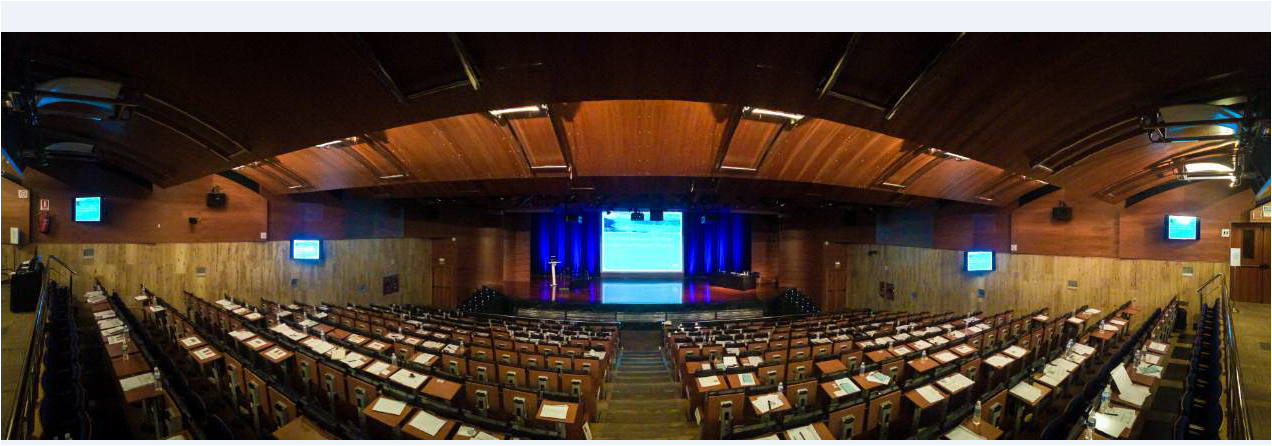
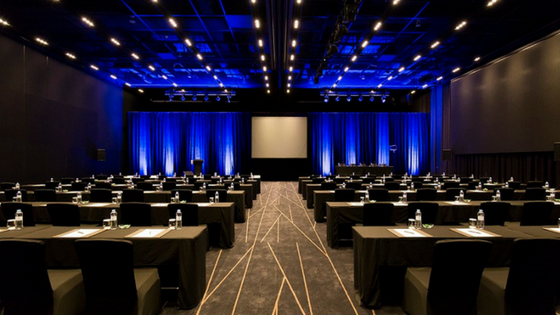
Theater-style seating works well for short breakouts where notes do not need to be taken. It’s ideal for commercial/corporate meetings.

Boardroom Style Seating

The boardroom-style seating is typically used for small groups, 10-15 people, for meetings such as ad board. This setting works well when a working space is required.

U-Shape Seating Arrangement

The u-shape-style seating works best for small groups of 10-20 people and is useful for CRA trainings,  board meetings, and some investigator meetings. It’s ideal for interactive working and planning meetings and easily accommodates for a presentation or speaker.

Classroom-Style Seating

The classic classroom-style seating offers a more formal setting where 100% of attendees’ attention is on the screen and its content. It’s an ideal setting for larger audiences. This works nicely for investigator meetings or CRA trainings.

Crescent-Rounds/Cabaret-Style (half-round) 

If your meeting includes a lot of collaborative work or workgroups, the crescent-round or cabaret-style seating is ideal. This seating arrangement better allows for discussion and offers a way for attendees to connect easily with each other.

If you’ve ever wondered what cabaret seating is, it’s a casual setting typically used for investigator meetings and some commercial and corporate meetings.

room set 3

3. Understand the Venue Space and Its Limitations

When considering your room set, be sure to understand the venue space in its entirety. For example,  a hotel diagram may reference 100-person maximum capacity, but that is wall to wall. Typically about one-third of the room will be used for foot traffic. And don’t forget additional space is needed for the tech desk, rear screen projection, etc. The bigger the room, the more options you will have overall.

Space design also needs to accommodate for the screen. Be aware of pillars and chandeliers. You may need to move the screen or have two screens which can increase your event budget. And also take note of the ceiling height. For example, you need a 14’ ceiling to use a 9’x12’ screen.

4. The Impact of the Stage, Lighting, Audio, and Screen

A stage, audio, and projection are essential, and the right lighting adds impact to the overall design.

Stage

With staging, a custom-made stage background with a hardcover backdrop or pipe and drape is necessary.  A lectern or podium is always suggested for the presenters; however, if you’re planning a Q&A panel, a bigger stage with a head table helps all the presenters to be on stage and answer questions.

Audio

Even in small rooms with small audiences, we recommend using audio. You don’t know who in the room may have difficulty hearing.

Screen and Lighting

Get the screen size right.  Are there a lot of charts and graphs in the presentation? This will determine the screen size and ultimately the viewability of the presentations by the audience. Using the largest screen possible is generally a good rule of thumb.

If there is a big screen with a small stage and a lectern only, your audience is most likely to pay attention to the content rather than the presenter. If there’s a large stage with colorful lighting, your attendees are going to pay more attention to what is happening on the stage.

Some events require multiple screens. The benefit to having two screens is that your presenter can show two different images at the same time, which can be helpful to show slides during an online demonstration or with the Audience Response System.

Designing a room set requires lots of advanced planning and considerations. The bottom line – it is key to start the planning as soon as possible in order to find the right venue with an optimally-sized conference room.

Rely on the experts to plan your room set. Miller Tanner Associates can walk you through the steps to determine a room set that is ideal for your meeting needs. Contact us today to get started.

Frequently Asked Questions

In effort to help readers to summarize the information found within this post, we’ve recapitulated the article in question and answer form.

How Does the Room Set Impact an Event?

One of the first considerations for your meeting should be the room set. It’s a good idea to select your room set before looking for an event location. This enables an event coordinators to choose the ideal location to meet each of the requirements. The audience will know what to anticipate from your event if you choose the appropriate room set design.

Which Elements of an Event’s Room Set Should be Taken Into Consideration?

When thinking about the right room set for your event, consider seating design, the stage, lighting, audio and visual, space layout, and the overall event theme.

How Do I Come Up With Concise Event Goals?

A meeting planner can assist you in achieving your meeting’s goals and objectives. In order to create the ideal room set for your event, you must first understand the factors, such as the size of the group, the kind of event, and the goal of the event. A professional event planner can start creating your room set after this information is acquired.

How Do I Plan the Ideal Seating Design for a Large Event?

Depending on the kind of training or event you’re organizing, the seating arrangement is critical to the delivery of your message and the meeting’s overall effectiveness. Will your guests take notes, collaborate in groups, or use computers? Knowing this will help determine seating design.

What are the Most Common Seating Arrangements for Large Events?

The following are the most typical seating arrangements for meetings, training sessions, and large events: theater-style, boardroom-style, U-shape seating, classroom-style, and crescent-rounds.

Key Questions to Ask an Event Planner

Key Questions to ask when hiring a corporate event planner

If you are charged with hiring a professional event planner for your next corporate meeting, whether it be for a pharmaceutical investigator meeting or a company’s national sales meeting, the task may seem daunting, especially if this is new territory for you. What key factors should you consider when hiring a corporate event planner to execute your next meeting? What are the important questions to ask?

Every single day we are amazed by the variety and depth of questions that we are asked by our existing and potential new clients. Each of their unique perspectives help us to enhance the conversation about what Miller Tanner Associates can bring to the table throughout our partnership development.  Plus, it allows us to find potential new ways to expand our global service offerings to fit each client’s individual needs.

To help you better navigate this process, we’ve compiled a list of key questions to ask when hiring a corporate event planner.

However, before seeking out an event planning expert, we first suggest doing some initial homework that will help you and your event planner prepare for a successful event. We recommend having a general idea for these 5 areas in advance:

Key Questions to Answer Before Hiring an Event Planner

1). Timeline for planning

We recommend typically a 12-16 week lead time from client award to desired meeting date in order to accommodate all parties involved.

Proactively planning can also save the client on airfare with tickets purchased 14-21 days in advance too.  While Miller Tanner has hosted events, both face-to-face and virtual in as few as 10 days, the lead time is a very important consideration to ensure an event’s success as defined by attendance ratios. If an event is planned on short notice, location options and venues may be limited, often resulting in a premium for the venue space.

Additionally, if you schedule an event on short notice, key speakers’ schedules, and/or attendees’ schedules may not have the flexibility for their attendance. With this in mind, try to plan ahead at least 12 weeks as there is a direct correlation between advanced notice to invited parties and acceptance rates.

2). Number of attendees 

We plan meetings for as few as 10 and as many as 1000.  The size of your meeting attendance can have several implications.

For instance, many hotels in Europe are well suited to accommodate and host under 200 attendees at once in their meeting space.

For events over 300 persons, hotel options are limited for not only meeting room logistics, but actual hotel rooming under one roof.  Putting attendees up at multiple venues can be an added challenge for transfers between properties.

3). Locational preferences 

It is nice to have a destination in mind; however, our expertise is making recommendations for unique experiences while staying on budget.

There are some great airport properties to consider if your agenda is short and people won’t be leaving the venue.  However, many of our clients like to choose city central locations which offer within a short walking distance some cultural activities to get a “feel” of the city’s vibe like Amsterdam, Barcelona or Buenos Aires.

4). Budgetary considerations 

If travel budgets are limited, meetings can be conducted virtually.  Alternatively, if your attendance ratio is tracking lower than you desire, Miller Tanner can record the meeting and post on our proprietary On-Demand Trainer/Learning Management System for future training use to ensure 100% completion of required training. We have innovative approaches that can have a positive impact on your budget’s bottom line.

5). Program success

Most importantly, understand your program’s goals.

When working with our clients at Miller Tanner, knowing our clients’ goals enables our team to hear their needs to make recommendations based upon our prior experience to help shape their agenda to achieve them.  Understanding our clients’ preferences and how they define success upfront is key!

Key Questions to Ask When Hiring an Event Planner

1). General Capabilities and Support Provided

You’ll want to find out their general capabilities and how an event planner will support you during your face-to-face, virtual and/or hybrid meetings. You might consider asking:

  • What is the company’s area of expertise?
  • What is the process for deploying a meeting and what specific services will be provided?
  • What factors should I consider when determining a virtual or hybrid meeting versus a face-to-face meeting?

2). Operations Structure

Different meeting planners offer different operational structures. You’ll want to know upfront how an event planner’s organizational model works and if it’s a good fit for your event needs.

  • Will I have one contact person or be working with a team of planners throughout the planning process?
  • How many planners will be available on the day of the event?
  • What method of communication is preferred?

3). Media and Production Services

Additionally, it’s useful to understand how a meeting planning company leverages their in-house media and production team and the full array of services offered to enhance the attendee experience at each event. Does the media and production team include services such as:

  • Equipment/technician oversight?
  • Graphics, design, and support?
  • Technical direction of the event?
  • What will I be responsible for providing?

4). Compliance and Security Measures

Ensure that the company you are considering takes seriously the security of your valuable proprietary information and attendee data, make sure it is “best in class”.

  • Does the company you are considering offer compliance as a service?
  • Are standard operating systems in place and available for review?
  • Where is your meeting data stored and how safe is storage?

5). Financial Reporting Procedures

It’s wise to understand the full scope of a meeting planning company’s financial reporting services to ensure that they capture all the details for regulatory required reporting. Questions you might consider asking are:

  • How often will billing updates be provided?
  • Are final bills paid, documented, and provided as a single package?
  • How are Sunshine Act reports handled, if required?

6). Company Philosophy

Lastly, it’s important to consider an event planning company’s philosophy and determine if it is ultimately in sync with your company’s values and your event goals.

  • Will our company values align?
  • Do I feel like a VIP when interacting with your event planner?
  • How are the small details handled?

At Miller Tanner, our company’s philosophy is simple, “do the right thing and good things will come”. We believe that deep partnerships over the long-term yield the best results for both our clients and our team. We are interested in relationships that span decades, not just pieces of business.

We hope this blog post gives you more insight into the right questions to ask before hiring your next event coordinator. If you are interested in partnering with Miller Tanner Associates to plan your next event, then bring your ideas, and let’s talk about solutions to help you achieve your next meeting’s goals.  

Frequently Asked Questions

In effort to help readers to summarize the information found within this post, we’ve recapitulated the article in question and answer form.

What is the Importance of a Timeline for Event Planning?

With tickets bought 14 to 21 days prior to a conference or event, you can help save the attendee money on flights. The lead time is a critical factor in determining an event’s success as measured by attendance ratios. Additionally, when planning an event on short notice, location and venue choices may be restricted, resulting in a higher price for the venue space.

How Does the Number of Attendees Impact an Event’s Success?

Hotel choices for gatherings with more than 300 attendees are restricted, not just in terms of meeting room logistics, but also in terms of hotel accommodation under one roof. Transfers between properties may be made more difficult if participants are housed at several locations.

How Does Location Preference Affect My Conference?

If your agenda is short and no one will be leaving the venue, there are several excellent airport properties to consider. Many of our customers, however, choose city center areas that provide cultural activities within a short walking distance to acquire a “feel” for the city’s atmosphere and dining experiences.

Which Budget Considerations Should I Consider for My Conference?

Meetings may be held online if travel costs are restricted. Alternatively, if your attendance rate is falling short of your expectations, you can save it on an on-demand management system for future training, which guarantees that all necessary training is completed.

How Do Event Planners Ensure Program Success?

Knowing client’s goals enables an event planning team to understand specific needs to make recommendations based upon prior experience. This helps shape the agenda to achieve said goals. Understanding upfront client preferences and how each client defines success is key to a well organized event.

#MeetMTA: Meredeth Brower, Product Lead

The Miller Tanner Associates (MTA) difference is our people. That’s why we want to introduce you to our team of superstars that brings our corporate meetings and events to life for our clients.

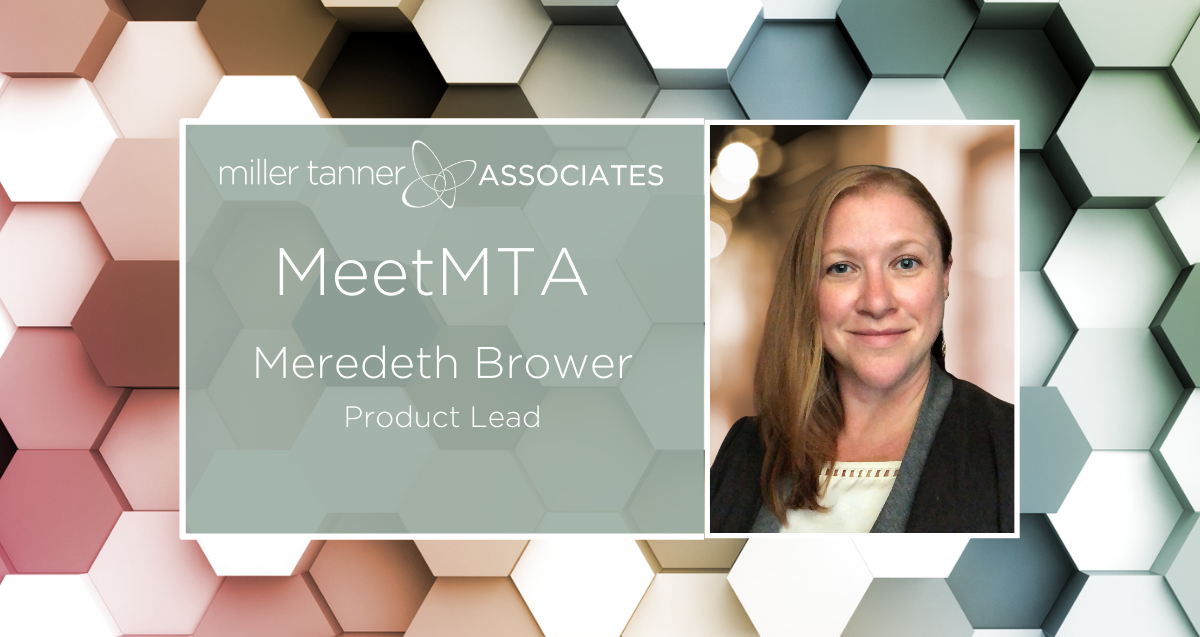
Today, we introduce you to MTA’s Product Lead Meredeth Brower. Meredith provides expertise and guidance for training excellence through the use of Miller Tanner Associates’ VALTs- Virtual Assessment, Learning and Training Source.

Continue reading “#MeetMTA: Meredeth Brower, Product Lead”

#MeetMTA: Dan Conroy, Director of Technology Services

Meet Daniel Conroy, Miller Tanner's Director of Technology Services

The Miller Tanner difference is our people. That’s why we want to introduce you to our team of superstars that bring our corporate meetings and events to life for our clients.

Today, we want to introduce you to Dan Conroy, Director of Technology Services, residing in the New York Area. Dan is one of the newest members of our team, so we thought this would be the perfect opportunity to introduce him to you!

Meet Dan Conroy

You recently joined the Miller Tanner team. When did you start and what did you do prior to coming to Miller Tanner?

I joined the Miller Tanner team in January 2016. For the last eight years, I was a management consultant focused on business technology for small to midsize companies — primarily in tri-state (NY metro) area.

Tell us about your current role – What do you do asDirector of Technology Services’?

It’s a dynamic role. I am responsible for the both the developmental and operational technology sides of the business. I love that MTA has real products under development and has real scale. We may not be a Global Fortune 500 Company (yet) but we face many of the same challenges. Those challenges and opportunities are what keeps the work fun and interesting.

Why is technology so important to Miller Tanner and our clients? In other words, how does technology play an integral role in the meetings and events we provide?

Technology is important to Miller Tanner and our clients for several reasons.

First and foremost, the technology is what enables Miller Tanner to have employees seamlessly linked around the globe servicing the needs of our clients; we have 65 full time staff on six continents. Next, the technology we currently have, and are continuing to enhance, enables our clients to see who has been invited to their meetings, their invitation status, as well as provide ad hoc reporting so our clients are empowered to keep their management informed. Additionally, our technology allows us to host Virtual Meetings on our proprietary system with very insightful reporting overlays.

Our Virtual Meetings can be combined with our Face-to-Face Meetings by linking them through our Hybrid Meeting option providing flexible solutions if a client has a scheduling conflict and needs to be two places at the same time.

Finally, our On-Demand Trainer, Learning Management System, allows our clients to capture their meeting content and re-purpose that content and provide it securely as needed to anyone around the globe.

What is the biggest technological challenge of conducting meetings across the globe every day?

In short, one of the biggest challenges, or variables, to conducting virtual meetings is the Internet connection. As ubiquitous as the Internet might be, it’s far from consistent. Virginia will present a different set of challenges than say, Venice. Another component that adds to the fun is working across global time zones. Since our days are very dynamic, the ability to pivot and think on your feet is paramount to keeping up with the challenges and being successful.

Is this your first time working for a virtual company? And if so, what is that like?

This is not my first time working for a virtual company. Virtual companies can be a bit more challenging when you start because it can be harder to connect with your team. However, good technology helps overcome that barrier.

How does technology play a role in making Miller Tanner work well as a virtual company?

Technology is the glue that links us as one organization. This company has been virtual since Inception, which in 1997 was on the cutting edge. The virtual part of the company enables us to hire the best talent regardless of where they sit in the world, and it’s my team’s job to support their connection needs.

What is your favorite piece of technology that you couldn’t live without?

I try not to get too attached to any one piece of technology or service — things change too quickly. I suppose if I had to pick one it would be my laptop. Or maybe Netflix.

What do you enjoy most about working at Miller Tanner?

The flexibility Miller Tanner provides for me is one of my favorite aspects. As a former business consultant, I sometimes missed the comradery of a team environment – teammates to discuss various ideas with, that sort of thing. I prefer smaller companies because you are empowered to do things that make an impact within the organization.

How does Miller Tanner create exceptional client experience through the use of technology? In other words, how does technology play a role in the client experience?

Our people really create the exceptional experiences and our technology supports them; Our business is about top level of service through connectedness.