Virtual Meeting Tips

Tips for Virtual Meetings

Virtual Meeting Tips for Success

To ensure that your next virtual meeting is a successful one, the Virtual Events Team at Miller Tanner has compiled some useful best practices.

When planning the virtual meeting:

  • Be time-efficient. Streamline your meeting by compressing your agenda to fit within a 4-hour or less timeframe.
  • It’s preferred to use video conferencing but also provide an audio dial-in option as a back up for anyone that might have internet challenges. 
  • Have a backup plan in case of audio/video connection issues or other technical difficulties that might arise.

When you are the presenter:

  • Have the right equipment. To avoid the common pitfalls of virtual meetings related to audio and visuals, have the right equipment and network connection, such as a high-definition webcam, hard-wired internet connection, external microphone, lighting, or quality headset, and most importantly, know how to work this technology properly. Do not use cell or speakerphones because this can muffle your voice and pick up distracting background noises. 
  • Dress for success. Be mindful that what you choose your wear might interfere with your microphone (scarf, large earrings, etc.). Also, consider your color of clothing. For example, if you are using a green screen, avoid green and/or patterned clothing. Stick with basic solid colors.  
  • Practice and practice again. Rehearse so that you are well prepared to deliver your presentation. When you present live, have a glass of water nearby as well as your notes to use as a reference if needed.
  • Don’t forget to run through a technical rehearsal. Understand the technology and how it works. Prior to your event, rehearse slide navigation and all the features that allow you to engage with your audience. Understand the tools such as how to advance slides, manage chats, and push out pollings.
  • Review housekeeping information with attendees prior to the virtual meeting presentations to ensure that your attendees are comfortable submitting or asking questions and understand where to access all support documents.
  • Make your presentation engaging – this is key to a successful virtual experience. Virtual meetings should include a lot of discussions. Pose questions regularly to encourage chat and make it a priority to interact with participants throughout all your event sessions. Engage your audience with the virtual event platform features. Ask your audience questions in a wide variety of formats, such as multiple-choice, rating, text responses, polling, voting, breakout sessions, and even fun game challenges. With these methods of engagement, your audience will be more inclined to participate and interact with the presentation.
  • Screen share so that your attendees can follow along. Keep your presentations concise and on point.

When you are an attendee:

  • Test the technology ahead of time so that you aren’t joining your meeting late.
  • Use the chat window to ask questions and engage with the presenter.
  • Turn off any distractions and close any unnecessary screens.

When on camera (presenter and/or attendee): 

  • Check your lighting. Natural lighting is best with windows facing you to illuminate your face.
  • Give eye contact to your camera and look into it when speaking. Your camera should be placed at eye level.
  • Frame yourself in the camera view so that your head and top of your shoulders are prominent in the screen. Adjust your camera or your chair if you are too close or too far from the screen.
  • Be aware of your background. Less is more. Make sure your background is simple and uncluttered. You can use a green screen image to replace a messy background.
  • Minimize distractions. Close any open screens that might distract your attention from the virtual meeting. Remember you are on camera, so you always want to give your full attention to the speaker.
  • Raise your voice one notch higher so that you can be heard clearly through the external or internal microphone. This helps you feel more confident while speaking and helps keep a slower pace.
  • Mute your microphone when you are not speaking. And unmute only when you speak. This allows for there to be no noise distractions during presentations. 
  • If you need to step away from your desk for a moment or eat, etc., make sure that you turn off your camera and, of course, mute your microphone.

Implementing these tips and best practices into your next virtual meeting can greatly improve its effectiveness and enhance the overall experience for you as a speaker or as an attendee. Miller Tanner Associates can help assist you through these virtual meeting best practices and more to ensure an exceptional meeting from start to finish.

Download our Virtual Event Checklist

Download our VIrtual Event Checklist.

The Importance of Internal Meetings

Why Internal Meetings Matter

8 Reasons Why Internal Meetings Matter

We asked the team of event pros at Miller Tanner Associates why internal meetings matter. Our team members share their perspectives on how internal meetings over in-office meetings can be beneficial to the overall health of an organization. 

1. Builds Team Morale

There is no better money spent than meeting face-to-face when it comes to being part of a team,  whether leading or supporting a company, department, or team. That’s why team meetings are of the utmost importance. 

In most companies, the cost is an issue when bringing people together so you have to make the most of the limited time.  However, it pays dividends for building team morale, allowing everyone to enjoy celebrating successes together, nurturing a virtual work environment, and driving comradery.  The team walks away feeling appreciated, heard, valued, and supported to name a few positive outcomes. 

Since we are a 100% virtual company, the entire group doesn’t always get the chance to engage with each other. Even when we do have a few moments between meetings and working on projects, it’s not enough time to really connect with another team member. The workshop gives us that opportunity. We disconnect from our computers and phones and focus on each other. We get to have conversations about our personal lives, laugh, do activities that bring us closer and just hang out. I think that’s incredibly beneficial for our company. – Meredeth Brower, Product Lead  

2. Creates a Sense of Purpose

Face-to-face meetings provide a perspective for the team at large as to what the company’s mission and goals are and it serves as an opportunity to share new company information and allow interaction. It’s a great time for employees to have facetime with the executives and to feel valued and celebrated.

These types of meetings also provide opportunities for employees to intermingle among departments or regions and it can help the morale and culture when a company puts their money back into their employees. It creates a great sense of purpose. 

3. Nurtures a Strong Company Culture 

It might be out of style to invest in company culture or its team, outside of salaries and benefits, but at Miller Tanner Associates (MTA) I believe that creating a strong company culture yields a strong, successful company. Company cultures are built on creating positive, memorable company experiences. After creating 25 annual events for the MTA team, I’ve seen the investment in the MTA team really pay off. – Marnie Miller Battistini, CEO

Miller Tanner sells the idea that gathering and shared experiences equals community and growth. What does it say to our customers if we didn’t practice what we preach?  The fact that MTA is a global company and we don’t always have the opportunity to see each other throughout the year is even more reason that we should come together and BE together. Being together, sharing a meal together, or just sitting next to someone while they train you on the newest software is so valuable.  It connects us, creates empathy in our roles and makes us a better team to do what we are brought to Miller Tanner to do.  There is more to each of us than just the job we do.  When we are together, those qualities shine and we can bring them back into our every day work. – Jenny Decker, CMP, Global Experience Manager

4. Offers Tangible and Intangible Experiences

The face-to-face experience offers tangible and intangible experiences.  Tangibles are generally captured by industry standards such as training ROI metrics, attendance ratios or other measurements.  Intangibles are captured by client cultures or the audience value system. 

Values are subjective and harder to measure but are just as valid an outcome as it goes toward addressing the human quotient of any business. 

Internal meetings foster shared commonality and communication in organizations.

5. Fosters Shared Commonality and Communication

First, the more you know about someone the better you can react to their thoughts, ideas, and moods.  It is easy to interact with someone when you have familiarity.  Internal meetings help provide that bridge. 

Additionally, sage advice says, the more you have in common with someone the easier it is to interact based on that common ground.  Shared experiences provide that opportunity to transcend the present moment and bond for the future or laugh over the past. 

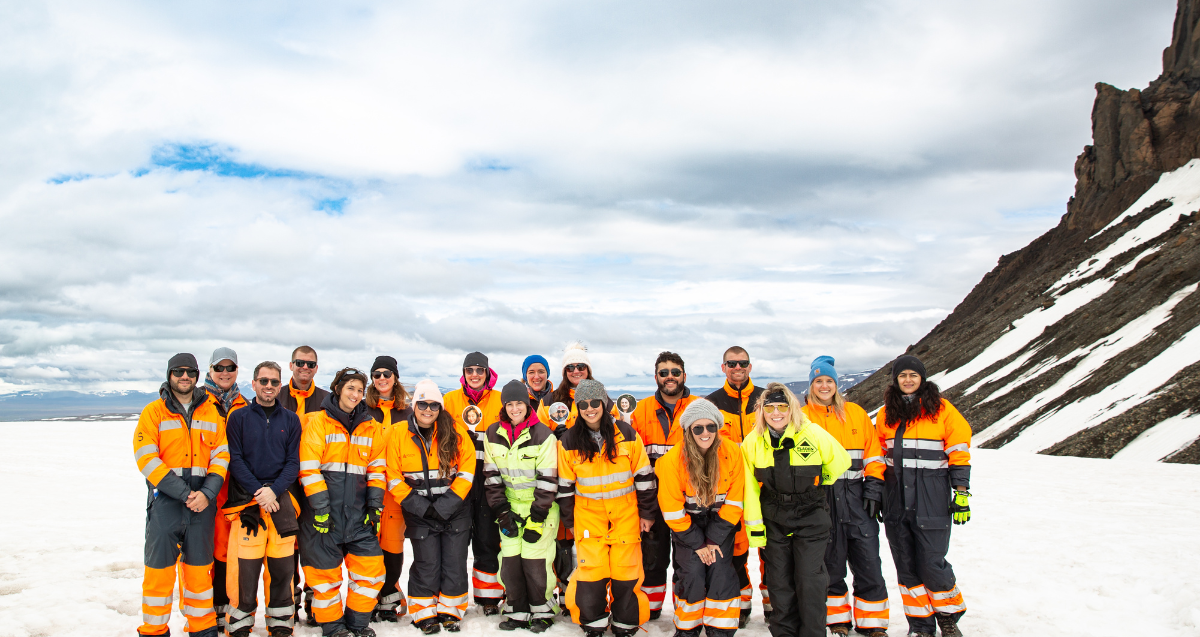
To me, the MTA Workshop is an invaluable experience that allows our teams and departments to connect, grow and unite as we look towards the future of MTA. It is at the heart and soul of what we do at MTA – provide dynamic experiences. As a Global Company who primarily communicates virtually, the time shared together through experiences or collective conversations (or in this case, on a glacier) is what I most look forward to at the MTA workshop. I love learned about what other departments are working through or celebrating in addition to personally getting to spend time with new team members. – Janina Marsh, Global Experience Designer

6. Determines Goals and Strategy for Success

Internal meetings are critical to establish roles and responsibilities, outline company goals and objectives, identify and build a strategy for a path forward to success, streamline processes, and ensure the right stakeholders are involved in decision-making. 

Senior leaders and department heads should value input from their stakeholders and trusted employees, and want to learn from the team too – this is a step in the right direction. 

7. Provides Face-to-Face Time with Leadership

It’s an investment in a company and also a reboot to get everyone back on the same page and same goal. Time with executives is important for employees to feel seen and understand their value to the company.

If there are big changes, restructures, new missions, new goals – it is a great time to roll that out, in person, to allow questions and interaction. 

8. Actualizes the Company’s Message

Internal meetings are an opportunity to actualize the messaging and value system of a company.  For example, at the annual MTA Workshop, one of my agenda items is to show the team my thanks for their hard work and commitment to the MTA brand. It’s where I try to energize everyone for the year to come while recognizing past achievements.  Face-to-face meetings address the “humanity” of our workforce and move toward maintaining a strong team. – Marnie Miller Battistini, CEO

Do you need assistance with planning your next internal meeting? The Miller Tanner Team can help you create a more engaging, productive meeting for your internal teams. Contact us today

Frequently Asked Questions

In effort to help readers to summarize the information found within this post, we’ve recapitulated the article in question and answer form.

What are Some Ways to Build Team Morale?

When it comes to being a member of a team, whether leading or assisting a business, department, or coaching, there is no better money spent than meeting face-to-face. That is why team meetings are so crucial. When getting people together in most businesses, money is always a factor, so you have to make the most of the time you have.

How Can I Create a Sense of Purpose within My Organization?

Face-to-face meetings provide everyone on the team a better understanding of the business’s purpose and objectives, as well as a chance to exchange fresh corporate information and better communicate. It’s a wonderful opportunity for workers to meet with leaders and feel appreciated and recognized.

How Can I Build a Stronger Company Culture?

Positive, memorable workplace experiences are the foundation of corporate cultures. A strong corporate culture leads to a strong, successful business.

How are Tangible & Intangible Experiences Created?

Face-to-face interactions provide both concrete and intangible benefits. Industry standards such as training ROI measures, attendance rates, and other measurements are often used to collect tangibles. Client cultures or the audience value system help to capture intangibles.

How Do I Determine Goals & Strategy for Success?

Internal meetings are essential for establishing roles and duties, defining corporate goals and objectives, identifying and developing a plan for success, streamlining procedures, and ensuring that the appropriate stakeholders are engaged in decision-making are all key.

Celebrating 23 Years of Planning Event Experiences

We are jazzed to be celebrating 23 incredible years in the global meeting and event industry! Your partnerships have played an instrumental role in our success. Thank you for the opportunity to create memorable virtual and face-to-face events for you across the world.

Virtual Event Mash-Up

Virtual events

We’ve curated a mash-up of some of our best blogs with tips for creating successful virtual events. Now more than ever virtual events are essential. Use these strategies from the Miller Tanner Team to improve and maximize your meeting’s capabilities.

Switching to Virtual Meeting Solutions

Even when the face-to-face can’t go on, your meeting still can. Businesses can easily switch to virtual options and not miss a beat when they have the right partner in place to guide them through the switch. More here.

4 Tips for Virtual Meeting Success

Virtual Meeting Tips

Virtual meetings are an ideal option for many companies needing to provide the latest information to attendees without the need to consider travel, hotel, and other logistics. Since the cost is a fraction of a face-to-face meeting, more and more companies are finding this option to be a valuable solution to educate and update attendees, especially within short time frames. Read more here.

Using Virtual Solutions to Relocate a Meeting

Relocated a face to face meeting

A lot goes into planning a meeting and yet even the best-laid plans can be derailed by the unpredictable. That was the case for one of our clients who had to consider canceling their event after the sudden emergence of a public health crisis. Read more here.

3 Reasons You Need a Virtual Meeting Planner

Reasons you need a planner for virtual events

Though you could conduct a virtual meeting using in-house resources, oftentimes many companies do not have access to the equipment and expertise required to produce a seamless virtual event. With virtual events, a well-executed deployment is essential; otherwise, you easily run the risk of a virtual event failure, wasting time and valuable resources in the process. Read more here.

Let Miller Tanner Associates set you up for a virtual success. Learn more about our virtual event solutions here.

Miller Tanner Associates Virtual Event Solutions

VIrtual Event Planners

Pivot to Virtual

Virtual Events are the perfect solution when the unexpected happens.

Planning in advance and for the unexpected is a given for us at MTA. Even during the unexpected, you can still expect that your meeting’s message will be heard.

How? Short answer – through our virtual event services and VALTs™ (Virtual Assessment Learning and Training Source).

Miller Tanner are the virtual meetings experts


MTA has the expertise to produce interactive, engaging, laser-focused virtual events, that can be easily replicated to achieve your virtual event messaging goals.


Add in VALTs™ our proprietary tool that can replicate your message or provide training that is budget-friendly while simultaneously creating an audit-ready, permission-based training record that can be accessed in real-time.

VALTs: Virtual Assessment Learning and Training Source


Combined together, a virtual event with our customized VALTS™ product is a dynamic dual alternative solution for your meeting needs.

To learn more about our Virtual Solutions, contact us today or download our Virtual Event Solutions Guide!

Download our Virtual Event Solutions Guide!

5 Corporate Event Trends to Try

Event experience trends 2020

Bring these popular ideas to your next corporate event experience for an unforgettable experience.

1. Include Altruism, Wellness, and Corporate Social Responsibility (CSR)

Tap into the emotional intelligence of your audience by bringing a more altruistic midset to your event. This is an important piece of everyday life for individuals so why not showcase at your event to inspire your attendees.

Some ways to do this:

  • Include zones where attendees can focus on wellness aspects like a yoga zone or massage chairs.
  • Schedule outdoor breaks that allow your attendees the opportunity to get outside, breathe fresh air, or take a brisk walk.
  • Focus on others with an onsite CSR project built right into your meeting.
  • Be mindful of work-life balance and incorporate concepts into your event.

2. Content is Key

With so much easy access to information 24-7, it’s vital that your event content is engaging in a way that isn’t just added white noise among the barrage of information.

“Keeping your audience engaged means more than simply entertaining them. To engage an audience isn’t just to hold their attention, but to hold their attention for a thoughtful purpose…stimulating the five senses can do wonders, as long as it serves to keep the audience focused on a thematic message,” reports Event Manager Blog.

3. Listen to Your Audience

How will you know that your content was engaging? Simply, by listening to your audience through their feedback. Post-event surveys allow you to evaluate the return on the experience (ROE) so that you can continue to improve your participants’ experiences at future events.

4. Add the Element of Surprise

By adding an element of surprise to your event, you keep your audience more engaged. This can also create a more memorable experience while adding to the WOW factor.

Some ways to do this:

  • Create an interactive mystery element, for example, escape rooms or a murder mystery dinner.
  • Provide unexpected gifting suite/baskets or even a handwritten note from team leaders.
  • Plan surprise entertainment or an outing around the host city.

5. Learn from Neuroscience

We can learn a lot about attendee behavior from emerging neuroscience data. What creates better social opportunities? How can we improve attendee knowledge retention? How can we boost engagement? These are all questions that neuroscience can provide clues for answering.

  • Plan breaks in your agenda, preferably every 20 minutes; it improves engagement, learning, and attendees’ overall wellbeing.
  • Build in time for your attendees to process the information being learned. This can be done through small groups, break-out sessions, or individual time spent writing down what they’ve learned.

Let the Miller Tanner Associates team guide you through the complicated task of planning an event experience that will yield measurable success.

Resource: Event Manager Blog

Meet MTA: Melanie Riddick, Director of Accounting Operations

The Miller Tanner difference is our people. That’s why we want to introduce you to our team of superstars that bring our corporate meetings and events to life for our clients. Today, we introduce you to Melanie Riddick, Director of Accounting Operations. With a knack for details and her sharp interpersonal skills, Melanie brings her extensive knowledge in data management and customer relations to the MTA team.

Meet Melanie Riddick, Director of Accounting Operations

Tell us about your current role with MTA. What are your primary responsibilities?

As Director of Accounting Operations, I manage the financial compliance of transparency reporting in adherence to state and federal legislation (Sunshine Act), global requirements (GDPR), and client contractual terms, conditions, and deadlines. This requires analyzing lots of data and details!  Our team also conducts a rigorous quality control cross-check on completed transparency reports to ensure we provide our clients with accurate data. Additionally, I oversee our team members who audit and process payments for event attendee reimbursement requests. This also involves managing our internal guidelines and processes to ensure they remain up-to-date and efficient. Finally, my role supports the full finance team with project management and system/process improvements to better serve both internal and external stakeholders.

What did you do before joining MTA?

I spent the last 10 years before coming to MTA working in the Nashville nonprofit community. Most of those roles involved donor development, data management, fundraising, and planning special events. Prior to that, I worked for a small custom cabinetry business for several years handling purchasing and inventory, fulfilling customer orders, accounts payable and receivable, payroll, and bank reconciliations. 

What do you feel are the most fulfilling aspects of your job?

By nature, I am detail-oriented and relationship-driven, so I thrive in roles that combine managing data and serving others. This job does exactly that! I am motivated by providing our clients with a high level of excellence, and I enjoy spending the time needed to dig into the financial data and compile it into comprehensive and easy-to-understand deliverables. I also enjoy the opportunities I have to interact with our vendors and event attendees. Most of all, I end each day grateful to be a part of MTA. Our team is composed of so many knowledgeable, talented, and personable individuals who are truly a joy to work with together!

Left: Melanie ice-climbing in Iceland at MTA’s Workshop. Right: Melanie with the MTA Finance Team.

What do you do for fun?

My husband, Adam, and I LOVE to travel, and we get restless if we don’t have a trip to look forward to on the calendar. We’ve visited Italy, England, Czech Republic, Iceland, Jamaica, Aruba, Mexico, Greece, and many states in the U.S. together. I’m also a fan of theme parks like Disney World and Universal Studios. We can’t travel all the time, so I love spending most of the time together as a family with our son, Connor. Sometimes that means a quiet night cooking dinner at home and watching a movie, and other times it means going out to a concert, sporting event or other fun activity. When I have time for just me, I love to run, hike, read fiction books, and go to brunch with friends.

What makes Miller Tanner Associates stand out as a meeting planning company?

What stands out is the ways we do what we do more efficiently and uniquely from our competitors. MTA is focused first and foremost on people – the clients we serve, the meeting attendees, and our fellow team members. Everyone at MTA is focused on listening to and meeting the needs of these groups of people. By combining this passion for people with the talents, skills, and resources available through the MTA team, we are able to provide our clients with a high level of excellent customer service and help them achieve their goals for each meeting.  

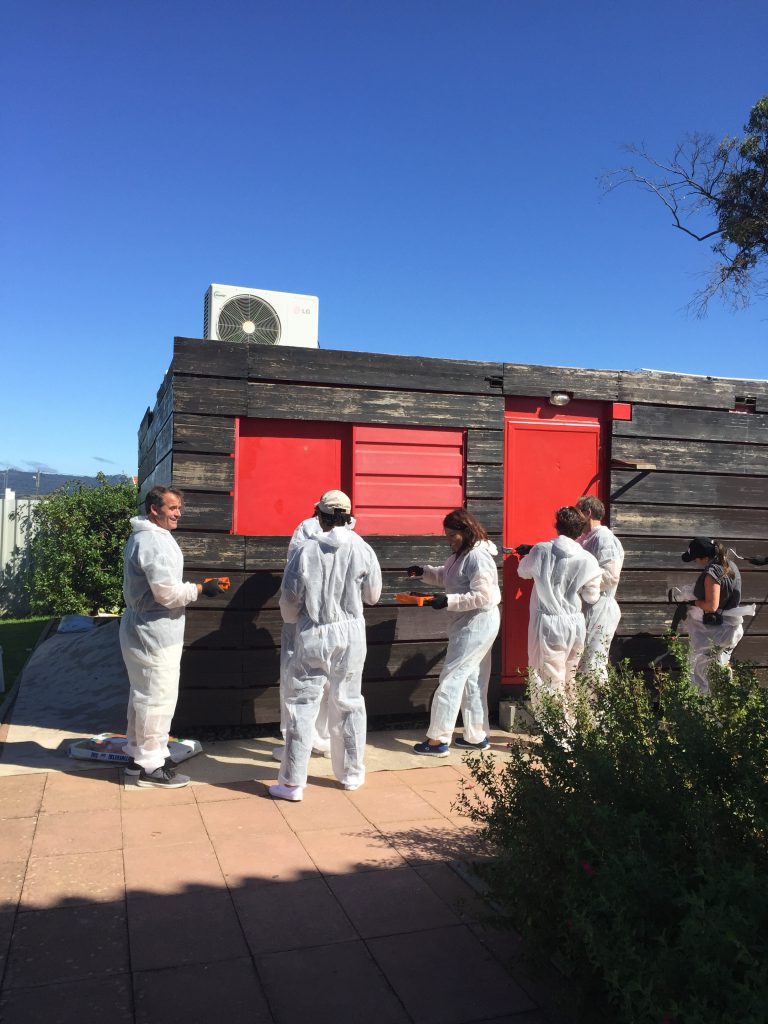
One of the other things I value about MTA is our culture of generosity and hospitality and how it is reflected in the opportunities we have to give back to our communities. Employees are provided time to spend volunteering, and we participate in Corporate Social Responsibility (CSR) activities  together at our annual workshop. We also assist our clients with implementing  their own CSRs at their events to provide their meeting attendees with an opportunity to serve others. 

Where do you live and what do you love most about your state/city?

While I love to travel and explore new places, I’m always happy to come home to Nashville, Tennessee! A lot of people have moved here over the last 10 years, and for good reason! We have several sports teams that are fun to see, and there is no shortage of terrific live music on any given day. Our restaurant scene has exploded, so I love checking out new spots and trying different kinds of food. I always tell visitors to spend time at the “honky-tonks” on Broadway to get a glimpse into the Nashville tourist scene. Even as natives, we enjoy it, and it’s family-friendly during the day! We also have a lot of great state parks and the Great Smoky Mountains National Park in Tennessee – I love spending time hiking and seeing so many unique landscapes within driving distance of home. 

What’s one of your favorite destinations in the world and why?

Adam and I spent several days in Positano on the Amalfi Coast in Italy, and it is hands down one of the most beautiful places I’ve seen. I loved being able to wander the quaint little streets and shops, hang out on the beach, and spend evenings having dinner overlooking the sea. The top priority on my travel bucket list is to plan a trip to travel throughout Germany, Switzerland, and Austria – I would love to explore the culture in those areas and know that the scenery will be absolutely stunning to see!

20 Ways to Create an Event that Your Attendees will Love

It’s February and love is in the air – even for events! Do you want to create an event experience that your attendees will love? Give your face-to-face meetings and events more TLC with these 20 tips from Miller Tanner Associates. Click on each tip for more information.
engage audience

Engage Your Audience

  1. Use technology for creative presentations like holograms, LED screens, video and more.
  2. Engage with Hybrid.
  3. Add more fun.
  4. Understand what your audience wants.
  5. Go paperless and digital.
memorable events

Make It Memorable

  1. Weave in a theme to transform your event from drab to fab.
  2. Celebrate achievements with a sales event, Incentive Travel or a Product Launch.
  3. Make internal meetings a priority.
  4. Add some extras like personalized gifting and cultural outings.
  5. Use team-building and CSR to unite your team.
  6. Go green!
  7. Emphasize work-life balance.
  8. Have fun and dream big!
get inspired

Get Inspired

  1. Get inspired! Check out Miller Tanner Associates on social media for inspirational ideas! Follow us on Facebook, Twitter, LinkedIn, and Instagram.
  2. Discover a new and exciting event location.
  3. Read our success stories for more ideas!
  4. Plan your first incentive trip, even on a budget.
  5. Add the WOW factor.
  6. Be unique.
  7. Hire a professional planner like Miller Tanner Associates to plan an event that your attendees are sure to love.

Case Study: Event Risk Management Solutions

case study risk management

Challenges

Our client, a pharmaceutical company, needed to host a one-day, face-to-face advisory board meeting for 17 attendees in the region of Bogota, Columbia.

Leading up to the event, protests began to break out in the city, near where the meeting was to be held.

These types of event risk management challenges are not new to Miller Tanner Associates as we have planned many events in emerging markets and, at times, this has meant working in high-security risk areas where safety preparedness is paramount.

Solutions

Miller Tanner Associates has developed several intercountry partnerships allowing us to create a seamless risk management solution for monitoring and managing events where a security risk could arise.

As part of our solution for this specific meeting in Bogota, Columbia, Miller Tanner Associates took our usual proactive approach.

We worked diligently with Bogota local partners, who provided a travel brief which included an in-depth analysis of the areas in which our team and meeting attendees were to be located throughout the duration of the meeting. We also sourced hotels that were recommended, thoroughly vetted, and deemed safe properties for the attendees who would be traveling to the site.

Additionally, our partners in Bogota tracked any potential security risks and provided real-time updates in and around the areas that the meeting and activities were taking place. We knew the safest routes to and from all event activities at all times.

Miller Tanner Associates typically hires security staff to be on site unless our client already has hired as was the case in this situation.

To ensure the additional safety of our attendees upon arrival, we compiled a list of travel recommendations in both the confirmation email and welcome packet so that those traveling to the meeting site were fully prepared in advance of the event.

At every event, and for this event specifically, we implement a comprehensive Crisis Action Plan; our on-site staff is well prepared to oversee the well-being of all attendees in case of any emergency situations. Our team was ready to move into action if security measures were necessary during this event.

Results

The event had no security issues despite the nearby protests. Our client and attendees’ reviews were favorable as all felt there was never a cause for concern given Miller Tanner Associates’ thorough safety protocols.

Leave your event’s security in the hands of the event professionals who have a plan of action in place to ensure that all bases are covered. Contact the Miller Tanner Team to discuss your event’s security needs.

Events Mash-Up: Engage Your Event Audience

events mash up

We’ve compiled our best blogs with tips for engaging your event audience. Supercharge your internal events, meetings, and trainings with expert advice using these strategies from the Miller Tanner Team. Reach out to our team for more information about how you can engage your audiences.

technology for presentation engagement

Use Technology to Boost Your Presentation Engagement

We have a few proven ways guaranteed to make your event’s presentation more engaging with the help of technology.

paperless meetings

10 Benefits of a Paperless Meeting

Here are 10 convincing reasons to shred the paper and embrace the digital devices at your next meeting and how you can better engage your audiences.

Audience Response System (ARS) for Attendee Engagement

Engage Your Audience with ARS

One of the most effective ways that we’ve found to assess and engage your audience is by using an Audience Response System (ARS) to enhance your meeting.

Make Corporate Events Fun

Add More Fun to Corporate Events

Have your corporate events become stale? Are you looking to add a unique touch to your company’s meeting? Do you wish you had better engagement from your team? With the help of expert planners to guide you, you can design an event that is more personalized, exciting, and engaging for your attendees.

Virtual Event Engagement

Using Video And Visual Content To Improve Virtual Event Engagement

If you are looking for a creative approach to onboarding new employees, optimize your onboarding with video and visual content as part of your training.

Get Help Planning Your Next Virtual Event

Contact Us

Post-Event Survey Questions to Ask

Post event survey measures meeting effectiveness

You want to ensure that your event is effective and successful, right? One proven way to measure this is by using post-event surveys. Post-event surveys allow you to evaluate the return on the experience (ROE) so that you can continue to improve your participants’ experiences at future events.

What is Return on Experience (ROE)?

Return on experience (ROE) measures the value your event delivers to attendees beyond just logistics and execution. Unlike return on investment which focuses on cost, ROE focuses on the quality of the experience itself, whether attendees felt engaged, informed, motivated, and satisfied. Post-event surveys are one of the most direct ways to measure ROE because they capture attendee sentiment immediately after the experience, giving you the data you need to evaluate what worked and what needs improvement for future events.

The team at Miller Tanner has compiled some best practices for boosting your survey response rate in addition to optimizing with key questions that will best measure your meeting’s effectiveness. That way you can stay ahead of the curve in providing an event that meets both your goals and your attendees’ expectations.

3 Tactics to Boost Survey Response Rate

Association Now recommends using these tactics as a guide to help boost your survey response rate:

  1. First, explain the importance of survey feedback so that the participants know that their input is valued and crucial to future event planning.
  2. Be concise and simple. Limit to a small number, yet essential, questions and use a yes/no or multiple-choice format.
  3. Have one open-ended question which allows participants to give more personalized feedback.

3 Powerful Open-ended Post-Event Survey Questions

Start Us Magazine lists post-event survey questions that can determine your meeting’s effectiveness. These three questions can drive a lot of insightful feedback from your participants.

#1 What is your level of satisfaction for this event?

Start with a big picture question to get a sense of whether your participants were satisfied with the event experience overall. Use open-ended questions or create a scale (example: 1-10).

#2 What elements did you like the most/dislike the most?

This is a powerful open-ended question that can give you a lot of insight into what resonated best with your participants. The answers might surprise you so make sure to create a list of the feedback to be applied when planning your next meeting. This allows you to also address any negative feedback that you might receive for improvement on future events.

#3 What was the highlight?

This question is not only helpful for post-event surveys but also for multi-day events. If you are conducting daily surveys, using ARS or other engagement tools, during your meeting, this question allows you to effectively gauge what participants enjoyed the most – possibly allowing you to add the activity to the next day’s agenda. For example, if the highlight for a majority of your attendees was a 30-minute break for networking, consider adjusting the agenda to accommodate your participants’ interests.

Get Specific

If you want to be more targeted with your survey questions, Get Feedback offers these following post-event survey questions as a way to dial into the details. You can add a few of the following specific questions to your survey to generate more detailed feedback:

  1. Which event or speaker were you most pleased with?
  2. Did you have ample time to network?
  3. What can we do to make next year’s conference even better?
  4. What kind of speakers would you like to see next year?
  5. Do you feel as though the conference had a cohesive message?
  6. Did you learn actionable information that will help you in your work life?
  7. What features should we add to the event?

Be Concise

And if you’d like to keep your questions more scale-based, Meetingsnet offers these six post-event questions that will reveal the effectiveness of your meetings using a question set called the Event Performance Indices or EPI. Based on Meetingsnet’s analysis, using the combined set of the following six post-event questions will best reflect the effectiveness of your meeting:

  1. How satisfied are you with the meeting’s overall value in helping you improve your on-the-job effectiveness?
  2. How satisfied are you that the meeting was well worth the investment?
  3. How satisfied are you with the overall meeting experience?
  4. How satisfied are you that the meeting was motivating to you personally?
  5. How satisfied are you with the quality of the education sessions at the meeting?
  6. How satisfied are you with the quality of the networking opportunities at the meeting?

Understanding the Event Performance Indices (EPI)

The Event Performance Indices (EPI) is a structured set of six post-event questions designed to measure meeting effectiveness across the dimensions that matter most: value, investment, overall experience, personal motivation, education quality, and networking quality. What makes the EPI effective is that it uses a consistent scale-based format across all six questions, making it easy to track results over time and compare performance across multiple events. Rather than relying on a single satisfaction score, the EPI gives you a multi-dimensional view of how your meeting performed and where to focus improvements.

Summary

We’ve highlighted a few different ways to approach your post-event survey.

Explain why feedback matters so attendees feel their input is valued and will actually be used. Keep the survey short with a focused set of essential questions in yes/no, multiple choice, or scale format. Include at least one open-ended question to capture personalized feedback. Start broad with an overall satisfaction question before moving into specific feedback. Use scale-based questions like the EPI set when you want to track and compare meeting effectiveness across events over time. Send the survey promptly while the experience is still top of mind for attendees.

Our team can help design post-event surveys that measure your event’s effectiveness. Reach out to our associates to learn more.

Other articles you might enjoy:

https://www.millertanner.com/design-better-meetings-for-healthcare-professionals/

Frequently Asked Questions

In effort to help readers to summarize the information found within this post, we’ve recapitulated the article in question and answer form.

How Can I Get More Meeting Attendees to Respond to Survey Requests?

To begin, convey the significance of survey responses so that participants understand how important their contribution is to future event preparation. Second, keep it short and sweet. Use a yes/no or multiple-choice style answers and keep the number of questions to a minimum. Finally, have at least one open-ended question so that participants may provide more customized input.

What are Some Examples of Post-Event Survey Questions to Ask?

Begin by asking a broad question, such as “What is your level of satisfaction with this event?” to get a feel of whether your attendees were pleased with the entire event experience. “What aspects did you like/dislike the most?” is a strong open-ended question that may reveal a lot about what your participants appreciated (or didn’t appreciate) the most. “What was the highlight?” is an excellent open-ended question that works well for both post-event surveys and multi-day events.

What are Some Example Questions to Ask Post-Event to Get Specific Feedback?

Which event or speaker did you like the most? Did you have plenty of time to network with other attendees? What can we do to improve the conference next year? What kind of speakers or topics discussed would you want to see at the conference next year? Do you think the conference’s message was consistent?

What are Some Post-Event Questions to Ask to Discover the Effectiveness of a Conference?

What level of satisfaction do you have with the meeting’s overall value in terms of assisting you in improving your on-the-job effectiveness? How certain are you that the meeting was well worth your time and money? What level of satisfaction do you have with the entire meeting experience? How pleased are you that the meeting was personally motivating? How pleased are you with the quality of the meeting’s educational sessions?

Should I Conduct a Post-Event Survey After Every Major Convention?

In order to enhance the success of any event, it is necessary to conduct a post-event survey. Post-event surveys may help you better understand your audience’s requirements and desires, as well as where to concentrate your time and attention for future events. Your attendees will appreciate being heard, and you will get insights on how to create an experience that will entice them to attend your future event.